
A cast-iron skillet and a cheap nonstick pan solve the same kitchen problem in opposite directions, and durable carry-on luggage for business travel splits the same way — you're either buying weight and permanence, or you're buying lightness and betting it holds up under a real flight schedule.
Before you get further into this: the site runs on affiliate links, and if you buy through one — including the Briggs & Riley link below — I earn a small commission at no extra cost to you. I only put a bag or a shipping service in front of readers after actually flying with it, or after burning an embarrassing number of hours comparing it against everything else on the market. My full disclosure policy is available if you want the specifics.
The Casualties in My Carry-On Lineup
Three bags didn't make it past their second year, and each one taught me something different about what actually breaks first. One had wheel bearings that turned to gravel-in-a-blender territory after a single snowy connection. Nothing dramatic, just a slow, ugly grind that got worse every trip after (wheels are their own rabbit hole, honestly, worth a whole separate conversation about bearing quality some other day). Another split its zipper wide open while I was cramming in a last set of handouts before a meeting in St. Louis. The third had a telescoping handle that only ever extended halfway, which turns a normal terminal walk into something closer to a limp.
Every Saturday I'm hauling canvas totes home from the Broad Ripple Farmers Market, and half of them give out at the seams before the produce even makes it to the car. That's a decent reminder that "durable" isn't a marketing word, it's a specific set of failure points that either hold or don't. A neighbor of mine, the guy who spends most Sunday mornings out at Eagle Creek Airpark running radio-controlled planes through the pattern, texted me last month asking which spinner to buy before his first sales route. That's the actual origin of this whole site: friends asking a question I got tired of answering one at a time.
I also went through a stretch of packing compression bags, the kind that cinch down with straps to buy an extra couple inches of clearance. They worked, technically. I could zip the bag shut. But every dress shirt came out looking like it had been slept in, which defeats the point of packing a dress shirt in the first place. Some fixes just move the problem to a different piece of fabric.
None of that is about brand loyalty. It's about which bag survives the parts of flying that never show up in a product photo — the jetway, the bin, the guy driving the tug who doesn't know or care what's inside. Most of what gets marketed as "durable" this decade comes down to ballistic nylon, which has a stranger history than the fabric swatch on a spec sheet suggests (worth a skim if you're curious). For our purposes here, it just means the shell won't scuff through on the first drop.
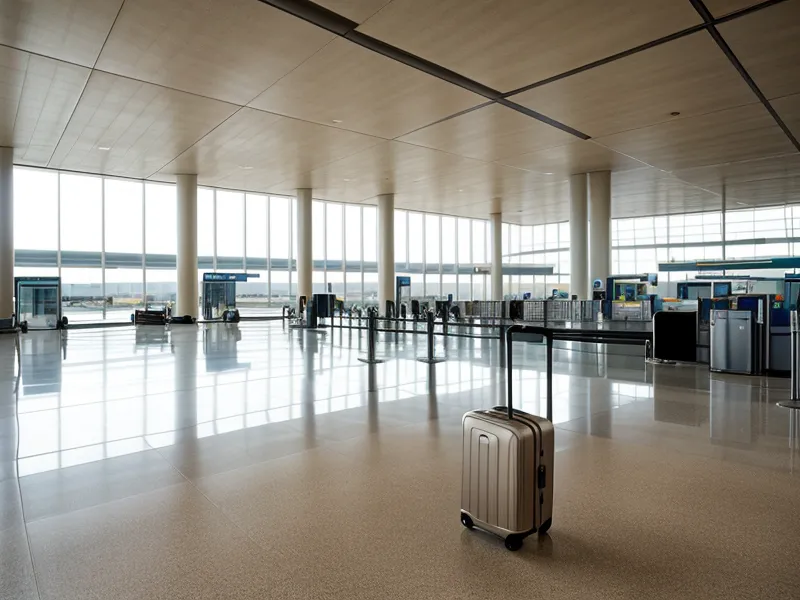
Briggs & Riley Feels Like Furniture; Travelpro Feels Like a Rental Car
Briggs & Riley's Baseline line is the bag I reach for on the mornings that matter, and it earns that spot by being heavier than almost everything else in the overhead bin. It's a deliberate trade, not an oversight. The CX-2 system is the part that actually changes how much you can pack: expand the frame, stuff it full, then ratchet it back down instead of relying on a floppy wraparound zipper that leaves the whole bag top-heavy. I went deep on exactly how that compression system holds up after months of heavy use elsewhere, so I won't re-litigate the mechanics here — just know it buys real room without turning the bag into a beach ball.
Travelpro takes the opposite bet. It's the bag flight crews roll through terminals for a living, which is about as close to a torture test as luggage gets, and it wins that test by staying light rather than staying rigid. The first time I hoisted one into a bin on a full flight, I braced out of habit for the usual pull in my shoulder, but it just wasn't there. The thing weighed less than my laptop bag, which is the kind of detail that only registers once you've spent years assuming heavier meant safer overhead. Unzip a bag that's flown enough routes and the lining gives up a smell you'd know blind: jet-conditioned cabin air, the rubber tread off a dozen baggage belts, a faint metal tang underneath it all, like the inside of the plane got folded in with your shirts. Soft-side construction has "give" that a rigid shell never will, which matters more than people think in the world of regional jets, where the bin itself is the real adversary.
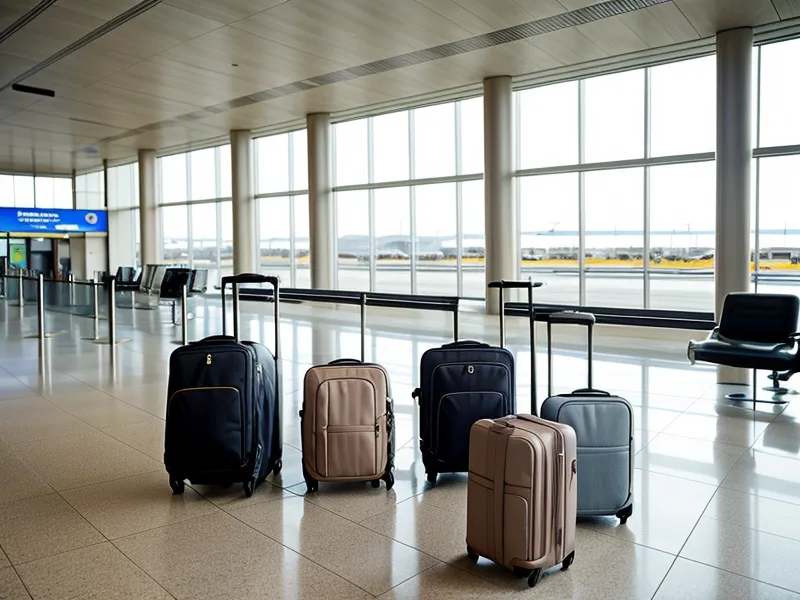
Does a Regional-Jet Gate Even Care About the Brand?
Regional jets are where the marketing stops mattering. I've watched three people with trendy matte-finish hardshells get turned away at the boarding door because the bin gauge on those smaller planes runs tighter than most airline size charts imply — a whole separate conversation about overhead-bin math I'll leave for elsewhere. My own bag, packed to capacity, slid in fine because the fabric could compress against the door where a rigid shell just can't.
The Travelpro Platinum Elite line sits a notch above their entry bags. The upgrades include better hardware, an extra pocket, and marginally smoother wheels, which matter more if you're choosing between tiers than between brands. That's a longer breakdown for another day. It isn't as photogenic as a LEVEL8 aluminum case sitting in an airport lounge ad, but the wheels are replaceable and the fabric has survived the same grind I have. If durability at the gate specifically worries you, the bigger risk isn't the brand at all. It's what happens the moment an agent takes the bag out of your hands, and I've written separately about exactly how gate-checking chews up wheels and zippers that never get tested in the cabin.
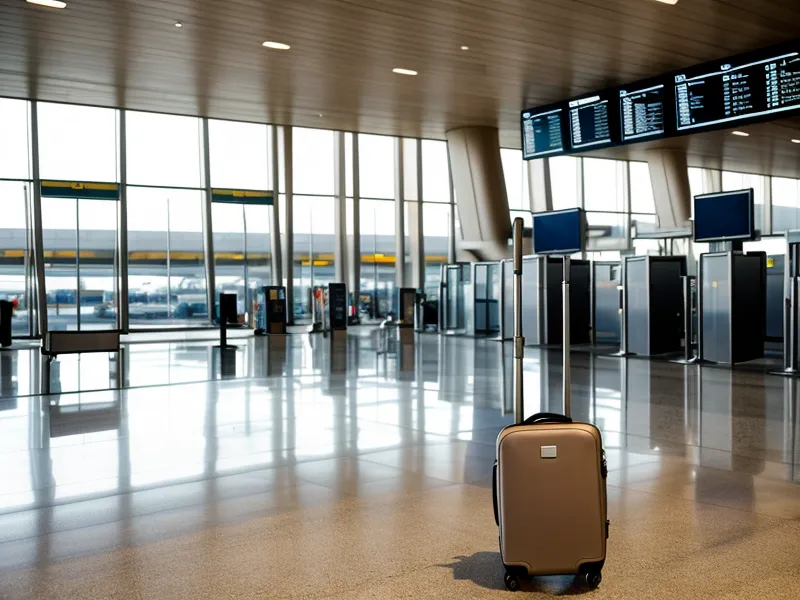
Aluminum Looks Tougher Than It Is
Hardshell luggage is the flashier promise: a fixed shell that looks like it can take a hit. For camera gear or a monitor headed to a client site, that peace of mind is real. But a hardshell is also a fixed volume in a way soft-side never is; there's no squeezing a hardshell that's half an inch too tall for a shallow bin, while a soft-side bag can be talked into it. LEVEL8's aluminum-frame model is the clearest version of that trade-off I've tested. It looks like it belongs in a much higher price bracket, and the wheels roll noticeably quieter across a hotel lobby floor than most hardshells in that range. The catch shows up the first time a baggage handler drops it on the tarmac: aluminum dents and stays dented, where a nylon or polycarbonate shell absorbs the hit and moves on. Some people wear that first dent like a badge of honor. I'd rather not collect one.
Built-in battery packs are the other thing worth watching on any "smart" carry-on. Airlines get particular about bags with non-removable lithium batteries the moment a gate-check becomes necessary, and I'd rather carry my own power bank in an easy-access pocket than find out at the jet bridge that my bag can't fly in the hold as-is.
Choosing Shipping Over Carrying
Sometimes the most durable option is skipping the overhead bin fight entirely. When I've got a full sample case or I'm heading straight from baggage claim into a meeting that can't start late, I don't gamble on a gate-check — I ship. Luggage Forward picks the bag up from my house in the Indy suburbs and has it waiting at the hotel before I land, which sounds like a luxury until you weigh it against what a damaged sample case actually costs you in that meeting. It only makes sense for oversize gear or multiple pieces — a single carry-on flyer on a quick two-day trip has no business paying for it, and I've laid out the actual trade-off in more detail in a separate piece on shipping to a hotel before a big meeting. For everything else, the bag in your hand still has to do the job.
The Verdict: One of These Bags Wins, One of Them Waits
If I'm grabbing one bag on a Monday morning without thinking, it's still the Briggs & Riley — not because it's good-looking (it isn't, particularly), but because the lifetime warranty covers damage airlines cause, not just factory defects, and that single clause has saved me more than once. I won't re-explain everything that warranty covers here; it's worth its own read if you're deciding whether the upfront cost is justified.
Here's how I'd actually split the decision. Choose the Briggs & Riley when you fly often enough that a bag failing mid-trip costs more than the extra weight ever will, and when the CX-2 compression matters because you're routinely packing right at the edge of what fits. Choose the Travelpro when weight is the thing working against you — tight connections, a lot of walking, a body already tired of hauling gear — and you're willing to trade some structure for wheels and shoulders that hold up over years. Choose the LEVEL8 only if you know you'll baby it, because the first real drop is the one aluminum won't shake off. And choose shipping over carrying entirely on the trips where losing the bag would cost you the meeting, not just the socks inside it. None of these are wrong choices — they're just different bets on which kind of failure you'd rather not deal with when boarding gets called with only minutes left on the clock.
| Product | Rating | |
|---|---|---|
| Briggs & Riley Top Pick | 9.2 | Read More → |
| Luggage Forward | 8.9 | Read More → |
| Travelpro | 8.6 | Read More → |
| LEVEL8 | 8.1 | Read More → |
Briggs & Riley
Pros
- ✔ Lifetime warranty explicitly covers damage caused by airlines
- ✔ CX-2 compression system adds significant packing volume without bulk
- ✔ 1680D ballistic nylon is nearly impossible to tear or scuff
- ✔ Outsider handle design provides a flat packing surface inside
Cons
- − Heavier than most modern polycarbonate hardshells
- − Significant upfront investment compared to consumer brands