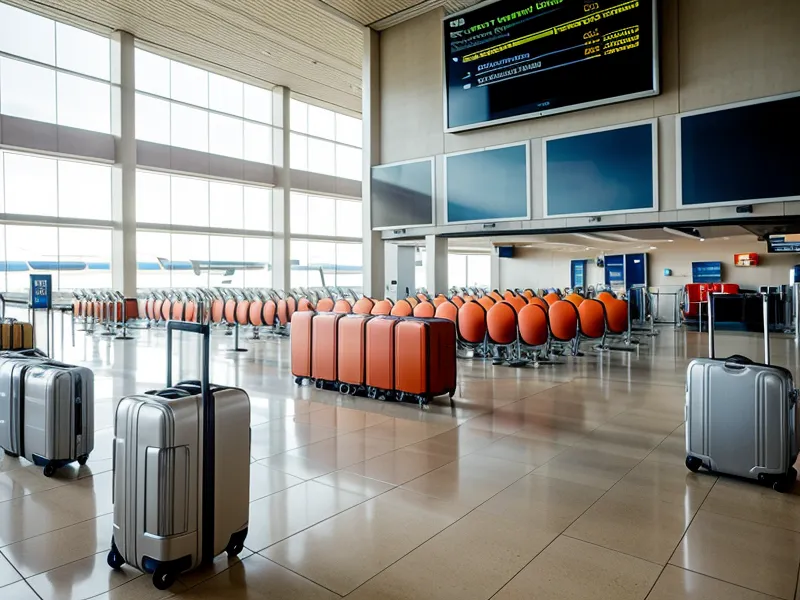
A Travelpro Maxlite and a Briggs & Riley Baseline can ride in the exact same overhead bin on the exact same regional jet, and still tell two completely different stories about carry-on durability by the time year three of business travel rolls around — one bag rolls straight into the jet bridge without a second thought, the other has already made a trip to a repair counter. That gap, not which one looks better on a hotel luggage cart, is the real question for anyone doing heavy business use rather than two vacations a year.
I watched a fellow flyer's zipper give out completely at Indianapolis International Airport a while back — not a snag, a full structural failure, socks and a phone charger skidding toward baggage claim while a gate agent watched without even blinking, because she'd clearly seen it before. That's the fate waiting for anyone still flying business trips on a big-box bag, and it's the reason this comparison exists at all.
Quick disclosure before the knife fight: this site runs on affiliate links, so if you buy through one of the ones below, I earn a small commission at no extra cost to you. I only put a bag in a comparison like this after I've actually gate-checked it, dragged it through a jet bridge in the rain, or watched it come down a hotel luggage cart at an hour I'd rather not admit to. My regional sales job pays for the flights; this site pays for the coffee that gets me through them.
Before either of these two ever earned a permanent spot in my closet, I spent about a year hauling a backpack-style hybrid carry-on, the kind marketed as one bag for any trip, and every single time I needed a laptop cable or a spare tie, it had sunk to the bottom of the main compartment and I ended up excavating the whole thing on an airport floor while people stepped around me. Structured roller bags stopped being optional after that.
Both bags currently live on a rolling rack pushed against the back wall of the spare bedroom I use as a staging area, close enough to a clear run of floor long enough to roll a spinner the length of the room, and near a pegboard hung with the axles and pull-tabs I've salvaged off bags that didn't survive this job. Neither of today's two contenders has earned a spot on that pegboard yet.
Why Regional Jets Make This Comparison Necessary
Regional jets — the CRJ-200s and ERJ-145s that make up most of my route — have overhead bins sized for a briefcase and maybe a sandwich, not a standard domestic carry-on. A pink gate-check tag on those routes isn't an exception, it's a scheduled event, and once a bag goes down into the belly of a regional jet it gets tossed onto a metal cart, rained on, and stacked under things that shouldn't be anywhere near a laptop pocket.
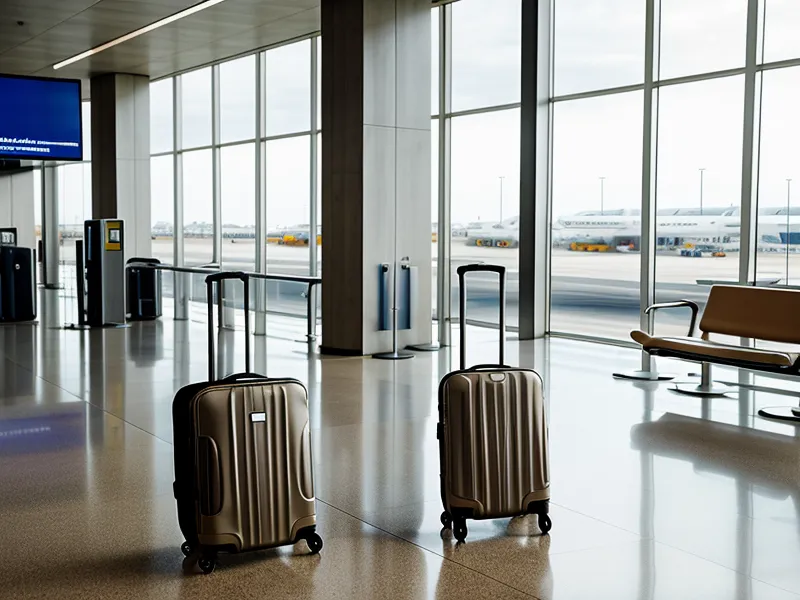
The two bags in this comparison are built around the same rough 22 x 14 x 9 inch frame, which is exactly why gate-checking, not the sales floor, is the real test: Travelpro on one side, Briggs & Riley on the other.
A reader named Marcy Bellew flies a healthcare sales route on a schedule that's nearly a mirror of mine, which is exactly why her notes on regional-jet overhead sizing carry more weight with me than most reader mail — when she says a bag survived, she means it survived the same kind of week I just had.
Travelpro: The Flight Crew's Daily Driver
Pilots and flight attendants carry Travelpro through terminal after terminal for a reason — it's the luggage equivalent of a reliable mid-sized sedan, not flashy, built by people who actually live out of hotels. The Maxlite line runs light, around 5.4 pounds for the carry-on, which stops mattering by the second flight of the day and starts mattering a lot by the fourth gate sprint.
That lightness comes from thinner material, and thinner material shows wear sooner. I've watched the seams near the wheels on a Maxlite start fraying after a few months of real use, and soft-side construction generally picks up a scuffed, tired look faster than anything with a hard shell. Zippers hold up fine day to day, though a rough season of gate-checks is exactly the kind of stress that eventually finds the weak point in any zipper track, regardless of brand. For the deeper dive on this specific line, I've written separately about Reliable Travelpro Carry On Luggage for Frequent Business Travelers.
Briggs & Riley: Built Like Furniture, Priced Like It
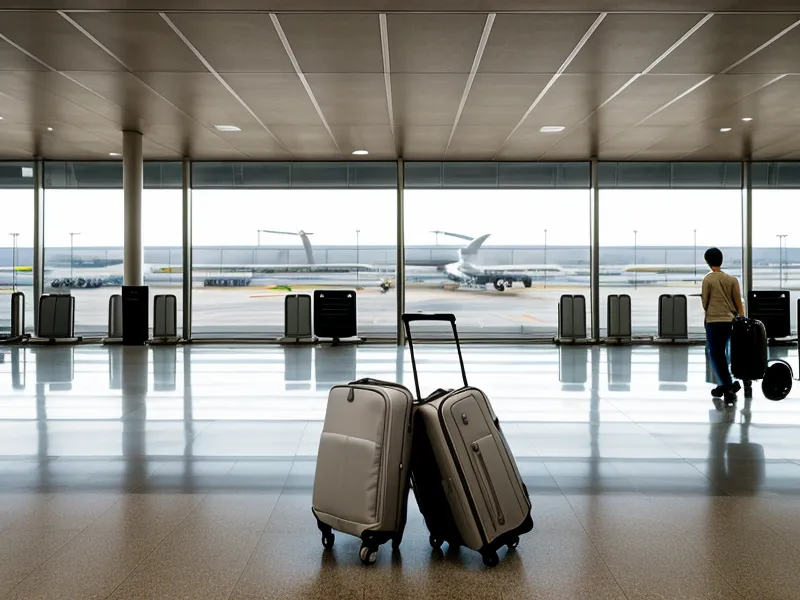
Briggs & Riley is the heavy-duty pickup truck you keep for twenty years instead of the sedan you trade in every five. The fabric is ballistic nylon, dense enough that it feels closer to tactical gear than luggage, and it doesn't flinch when a gate agent tosses it onto wet tarmac.
None of that is about hardshells, technically, since Briggs & Riley's business line is softside, and that comparison is actually the more useful one. Polycarbonate flexes under impact and springs back to shape, which is why it resists cracking better than ABS, while ABS stays a little lighter but turns brittle exactly where you don't want it to: at a corner seam, in cold weather. I found that out for myself years ago digging a hardshell out of a rental car trunk in Chicago in February, cold enough that the door handles stung, running a thumb along the corners expecting a hairline fracture and finding nothing. It's part of why Briggs & Riley leans softside for the bags meant to take real abuse — polycarbonate wins the single-impact argument, but softside ballistic nylon wins the argument that matters after years of overhead-bin compression, since it never develops the stress points a hardshell eventually shows at its corners.
My colleague Roz Henriksen, who flies nearly as often as I do, won't touch a hardshell for a related reason: her argument is that they shatter instead of dent, and once you've watched a hard corner spiderweb on a jet bridge, a dent starts to look less like damage and more like a bag doing its job.
The CX expansion system deserves one honest line rather than a full teardown: instead of a zippered pouch that just adds floppy volume, it ratchets back down to its original shape once you've repacked, which matters more on the flight home with trade-show samples or gifts aboard than it does on the way out. It's also the difference between a suit that survives a forced gate-check and one that needs a hotel iron at six in the morning. If packing systems are the part you actually care about, I've laid mine out in full in How to Pack a Carry On for a Week of Business Travel.
Does the Lifetime Warranty Actually Change the Math?
Briggs & Riley's warranty is the detail that comes up in every conversation about this brand, and it earns exactly one clear sentence here: it explicitly covers damage caused by an airline, not just factory defects, so a wheel a baggage handler rips off gets fixed for free instead of becoming an argument with a claims department. Briggs & Riley costs meaningfully more upfront than Travelpro, and that warranty clause is the whole reason the math still works for someone gate-checking a bag every other week.
It's also worth being honest about which tier of each brand is actually getting compared. Travelpro's top-shelf Platinum Elite line sits a lot closer in spirit to Briggs & Riley's entry point than the Maxlite most people actually buy, so a fair comparison has to admit you're weighing what each brand mostly sells, not their flagships against each other. Judged that way, Travelpro stays the better deal for someone flying three or four times a year; it stops being the better deal once you're gate-checking every other week.
When Neither Bag Is the Right Call
Sometimes the smarter move is skipping the overhead-bin fight entirely. For multi-city conferences where I need sample cases or a second suit, I've started shipping ahead with Luggage Forward instead. It gets picked up at my house south of Indianapolis and it's sitting in my hotel room by the time I check in. The math only works once you're carrying more than a single carry-on's worth of gear; for one bag on a short domestic hop, checked-bag fees still win, but for oversize gear it skips the pink-tag dance and the eleven-o'clock luggage carousel wait entirely.
For readers who want something between budget and premium, LEVEL8 has been holding up better than I expected. Their aluminum-frame models borrow the high-end aesthetic and a genuinely rigid shell without the legacy-brand price tag, though aluminum dents permanently rather than flexing back the way polycarbonate does, so the first real scuff stings more. Their wheels also run noticeably quieter across airport tile, with less of the rumble that usually announces your arrival three gates early. I've folded them into a longer roundup, The Only Carry-Ons Still Rolling After a Year on the Regional Circuit, if you want the wider field.
Choosing Between Them for Heavy Business Use
Pick the Travelpro if you're a light-and-fast flyer doing three or four trips a year and weight matters more to your shoulder than a warranty ever will. It's affordable, genuinely functional, and at that travel pace it will outlast its own price tag several times over.
Go with the Briggs & Riley if your job pays for the flights and your marriage pays for the family vacations, meaning the bag has to survive both a gate-check in a thunderstorm and the trip to Disney without falling apart. The structural rigidity and the airline-damage warranty turn it into a piece of equipment instead of a disposable accessory. One caveat either way: a spinner is great on smooth airport floors, but on thick hotel carpet or actual cobblestones, a two-wheel rollaboard still wins on raw control.
Either bag beats the alternative, which is another year dragging something that was never built for this schedule and hoping this isn't the trip the zipper finally gives out somewhere less private than baggage claim. If you fly enough for this comparison to matter, it's worth clicking through and pricing out the one that actually matches your travel pace instead of guessing.