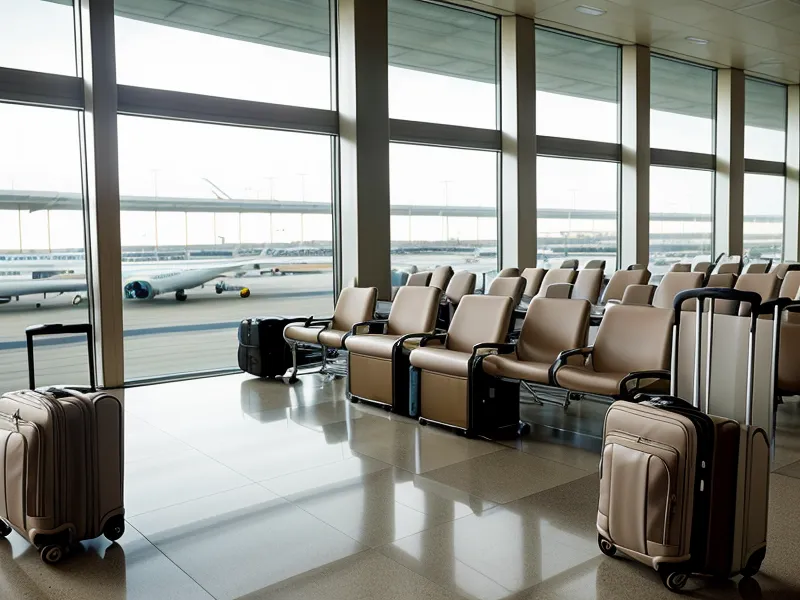
Fifty seats is the standard cabin count on a Bombardier CRJ-200, and the overhead bins are sized to match, which is the real reason a lot of durable luggage still ends up nose-down in cargo on regional flying routes before boarding even finishes. Terminal A at Indianapolis International is where I've learned to spot the pattern: the flights most likely to hand out a valet tag are the ones running the smallest planes, not the busiest gates.
Quick disclosure before going further: this site runs on affiliate links, and if you buy luggage or book a shipping service through one of mine, I earn a small commission at no extra cost to you. Recommending Travelpro in review after review isn't an accident; it's outlasted every bag I've paired it with that cost twice as much, and that track record is really the whole case this review is built on. The full policy sits at the bottom of the site if you want the specifics.
Why Do Regional Jets Swallow So Much Carry-On?
A bag can meet standard domestic carry-on dimensions on paper and still be the wrong bag for a 50-seat plane, because the number that actually matters is the depth of that specific bin, not the airline's published chart. Exactly how small a bag needs to run for the tightest regional jets is a measurement problem I've worked through in detail somewhere else on this site. Hardshell and soft-side bags fail that squeeze test in different ways, and for heavy regional use I settled that argument for myself a while back without needing to relitigate the whole hardshell-versus-softside debate here.

Airline marketing photographs are shot in the cavernous bins of a Boeing 777, not the breadbox-sized ones on the regional puddle-jumpers that connect through Indianapolis. That mismatch is exactly where a lot of expensive bags meet their end when a hard corner takes one bad stack in a below-freezing cargo hold and the shell goes brittle right when it needed to flex. Cast iron survives that kind of abuse for decades; a nonstick pan is done the first time someone drops it wrong, and polycarbonate shells split along roughly the same logic.
What Flight Crews Actually Wheel Through the Terminal
Watching the gate during a de-icing delay is a good way to notice what people who live on these planes actually carry. Almost every pilot and flight attendant rolling past is pulling the same style of black, soft-sided bag (not the aluminum cases that photograph well for an ad campaign, but gear built more like a tool belt with wheels).
That's the observation behind my Briggs & Riley vs. Travelpro: The Real-World Verdict After a Year of Jetway Abuse comparison. Briggs & Riley is the brand crew members mention when the conversation turns to lifetime warranties, and Travelpro is what most of them are actually rolling past me at the gate; they represent two different answers to the same problem, and I'll get to which one I'd tell you to buy. Travelpro also runs more than one line above the Maxlite I fly with, which is its own conversation about how a brand tiers cheap-to-premium and not one I'm solving in this piece. What's actually inside a spinner wheel housing — sealed bearing versus a simple friction axle — is a rabbit hole I've already gone down in a separate piece, so I'll just say the housing matters more than the brand name stamped on the shell.
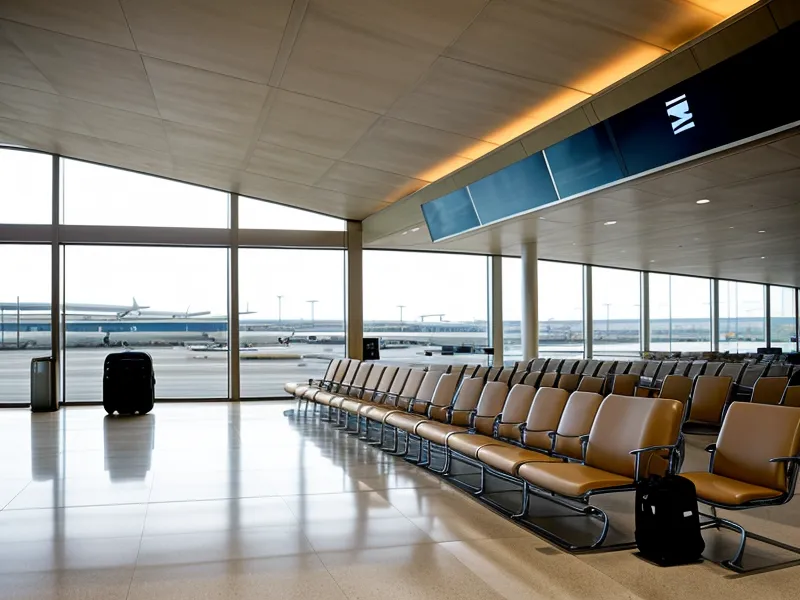
A wheeled spinner is like a kitchen knife in that sense: you don't need it to look impressive, you need it to hold an edge and not fail while you're moving fast through a connection. Magnatrac wheels on the Travelpro track straight across the metal expansion joints in a concourse floor instead of drifting sideways, and that's the difference between an even stride and a shoulder that's sore by the third leg of a trip.
Squeezing an Extra Inch Out of a Regional Bin
Soft-side luggage gives a little where a hardshell won't, and on a 50-seat jet that bit of give is often the difference between the bag staying with its owner and getting valet-tagged at the door. Picture a daily driver next to a road-trip SUV: the rigid shell can't squeeze into a tight gap, but fabric with some compression logic borrowed from a drawer organizer can shimmy in. How much weight you're willing to trade for that extra capacity is a whole separate calculation I've run elsewhere for anyone deciding between an ultralight shell and a roomier build.
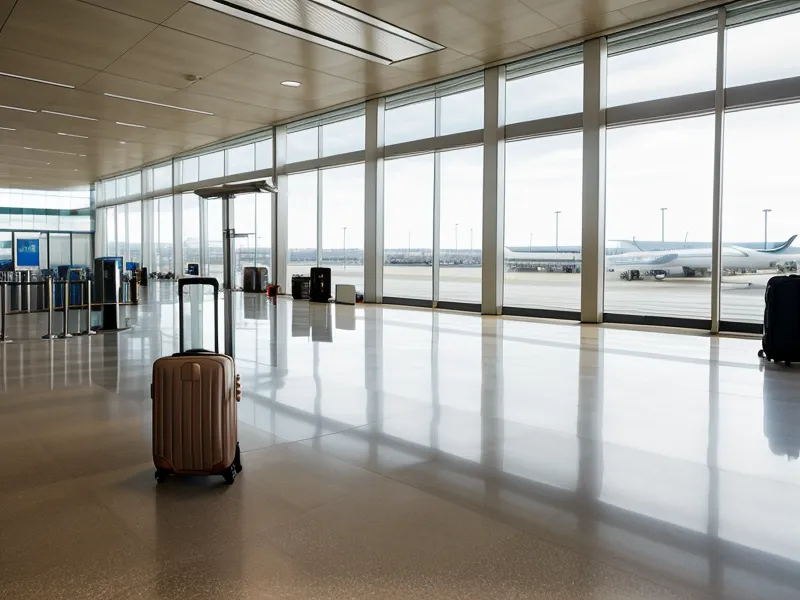
If tech is riding along in that bag, the FAA lithium battery limit of 100 watt-hours matters the moment a bag gets gate-checked, because those batteries have to come out before the bag disappears into the belly of the plane. What gate-checking specifically does to a bag's wheels and zippers over repeated trips is a topic I've covered start to finish in another post; here it's enough to say the frantic gate-side scramble to pull batteries and chargers is a lot less embarrassing when the pockets are laid out sensibly.
My Reliable Travelpro Carry On Luggage for Frequent Business Travelers piece covers the Maxlite's weight in more depth, which matters when a bag is going up into a bin for the fourth time in two days. Suits and dress shirts are their own packing puzzle, and if you're checking a full garment bag instead of folding everything into a spinner, that's a different setup than anything covered here. Compression bags looked like the answer for a while — they genuinely saved space — but they also left every dress shirt looking like it had been slept in, which sent me hunting for a different packing system entirely. I remember unzipping a bag at a hotel around midnight after a delayed connection and finding the shirts still flat, same as when I'd folded them in before five that morning, which is about the only real proof a packing method works.
Why Replaceable Parts Matter for Business Travel Gear
Luggage is a consumable no matter how much gets spent on it, and a rough curb or a distracted baggage handler eventually wins. Travelpro's advantage isn't that its bags never break; it's that the wheels and handles are easy to source replacements for, which turns a suitcase into something maintainable instead of a piece of disposable plastic. In-trip repairs are their own topic — I've written a full walkthrough for the specific case of a zipper jamming mid-trip — but the short version is that a bag worth keeping is one you can actually fix instead of replacing.
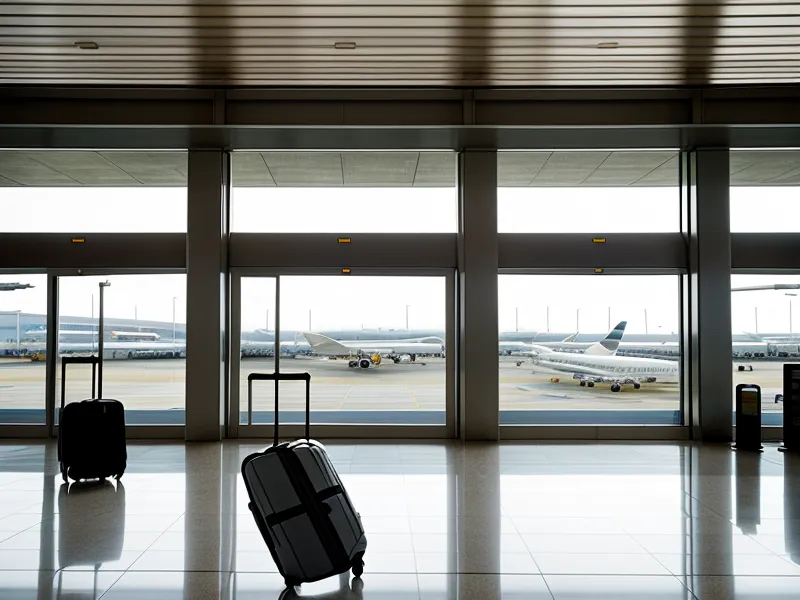
An aluminum-shell case like LEVEL8 solves a different problem: it looks the part of a premium hardshell at a fraction of the price of the brands it's copying, with wheels quiet enough that they barely register on tile. The tradeoff is that aluminum dents and stays dented instead of flexing back the way polycarbonate does, and I didn't notice the damage on one loaner case until I set it down at home under the kitchen window. Full afternoon light threw a hairline crack into relief that the terminal's fluorescent lighting had hidden the entire trip. That's a fine bag for someone who checks it twice a year; it's a rough match for the every-other-week grind this site is actually about.
Travelpro, Briggs & Riley, or Neither: My Actual Rule
For the trips where a gate-check is not an option — delicate samples, or a second bag's worth of gear for a family trip — I've started leaning on shipping services like Luggage Forward instead of fighting the airline at all. Whether that math actually works out depends on the route and the timeline, which is a comparison I've run in full elsewhere; sending a bag ahead to a hotel or a meeting site instead of checking it is its own logistics question too, and one worth thinking through before a big trip rather than at the ticket counter.
I wrote up the specifics in The Hands-Free Hustle: When Luggage Forward is a Lifesaver for anyone weighing it against just paying the checked-bag fee. As for the suitcase itself: if the plan is flying every other week for years and eventually wearing out the wheels rather than the bag, Travelpro is the one I'd buy again, because replacement parts and a lower price both matter more than a badge. If the flying is lighter and the bag gets babied more than it gets abused, Briggs & Riley's lifetime warranty and its CX-2 compression system — which is worth its own explanation elsewhere — start to earn back that higher price tag. Neither answer involves an aluminum shell for someone doing this every other week, and neither one involves buying whatever looked best in an airport ad.
A neighbor of mine spends most Sunday mornings out at Eagle Creek Airpark flying radio-control planes, and he cornered me at a cookout not long ago asking which carry-on to buy for a new sales job that was about to put him on regional flights every week. That question, echoing plenty of friends who've asked the same thing over the years, is the actual reason this site exists. The people who fly the most — the crews, not the marketing department — buy for the same things: wheels that survive, zippers that hold, and a frame that doesn't need babying between one gate and the next.