
The question of whether luggage shipping is smart business travel logistics or just extra paperwork bolted onto an already long trip followed me through two very different work trips this year, and the honest answer turned out to hinge less on the shipping service itself than on what needed gear protection and what plainly didn't.
Quick disclosure up front, since this whole piece leans on paid services and gear: this site runs on affiliate links, including ones for Luggage Forward and for the bags mentioned further down. Book a shipment or buy a bag through one of them and I earn a small commission, at no extra cost to you. Every recommendation here is something I've actually shipped, or actually dragged through security, myself.
The premise is simple enough on paper. Luggage Forward picks bags up from your door and has them waiting at the destination, so you walk into the terminal carrying nothing heavier than a phone. Whether that's worth the lead time and the hand-off risk depends entirely on which trip you're asking about, and two cases answer that question in almost opposite directions.
The Case for Luggage Shipping on Heavy Trips
Trade shows are the clearest case. A mid-February run to Orlando meant traveling with my own clothes plus three cases of product samples sitting right at the standard fifty-pound checked-bag ceiling, and anyone who's watched a ticket-counter scale flicker between 49.9 and 50.1 knows the specific flavor of dread that creates. Push past those baggage allowances and the fees start stacking up fast enough to embarrass a corporate expense report.
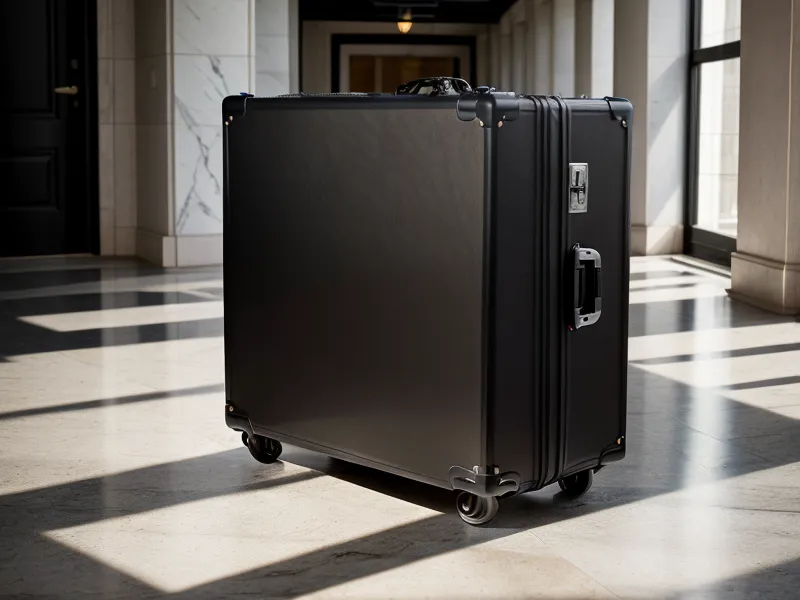
Luggage Forward picked the cases up from the porch and had them sitting at the hotel front desk before I'd landed — getting a shipped case to actually be there when you check in is its own small logistics trick, and the tracking made that part invisible instead of a phone-tag exercise with a front desk clerk. That fifty-pound gamble is exactly why I stopped fighting it, a decision covered in more detail in why I finally stopped dragging samples through O'Hare. Walking through TSA with nothing but a phone in hand felt almost illicit, like forgetting to put on pants, and while everyone else fought the overhead-bin sizing scrum, wedging soft-sides into gaps that were never going to hold them, the cases arrived without a mark — no hollow thwack of a polycarbonate shell missing the belt, none of the usual carousel scuffs. Luggage Forward backs all of it with a two-hundred-percent on-time guarantee, doubling your money if a shipment runs late, which beats an airline's usual shrug and a voucher for a sandwich nobody wants.
Family trips make an equally strong case. I've watched parents wrangle three kids, a stroller, and two duffels like they're moving apartments under a deadline, and for them shipping luggage for family vacations is close to the only sane option. A friend of mine, who trains for half-marathons along the Monon Trail, shipped her race shoes and hydration gear ahead of an out-of-town race last year rather than trust an airline with the one pair of shoes actually broken in for race day. Golf clubs and ski equipment land in the same bucket — airlines handle oversized gear like it personally offended them — and skipping the carousel also means skipping the gate-check, which is where wheels and zippers do their dying. A Travelpro bag, the brand actual flight crews choose for good reason, came back from a single forced gate-check with a spinner wheel that no longer tracked straight; not every wheel is built to survive that kind of impact, the cheap injection-molded kind go first, and the zipper pulls tend to outlast the wheels by a wide margin.
When Shipping Backfires: The Quick In-and-Out Trip
Short trips flip the case entirely. A two-day meeting in Chicago is exactly the kind of trip where Luggage Forward's own logistics work against you — the service leans on ground networks to stay reliable, which means a bag needs a real head start, days rather than hours, before it can be trusted to arrive on time.
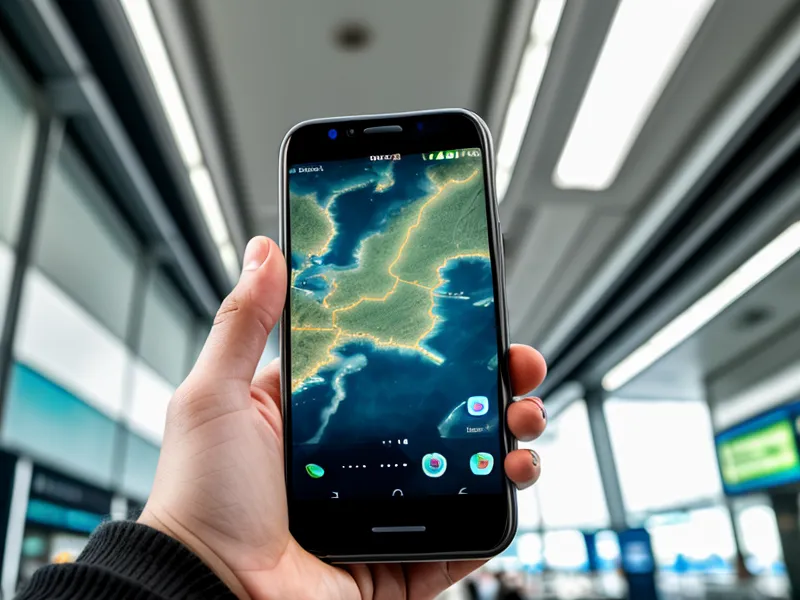
I once tried to be clever and ship a small bag ahead anyway (to skip the security-line hassle, or so the plan went), and tucked my house keys into a side pocket of the very bag I'd shipped. I didn't notice until I was already locked out on my own porch, waiting on a locksmith, while my keys sat in a sorting facility somewhere in Ohio.
For a fast, forty-eight-hour sprint, a genuinely good carry-on beats any shipping service, full stop. A Briggs & Riley is the one I reach for on those trips — built heavier than the ultralight competition, but tough enough that the corners still look fine after years of jetway abuse, a different bet entirely from Travelpro's soft-side approach and one worth choosing on purpose rather than by accident. I spent real time with the Briggs & Riley CX-2 compression system, and for a short trip, shrinking the bag down to fit the twenty-two-inch limit is worth more than any shipping guarantee; some of their lines also build in an expansion side for the trip home, when the suitcase somehow holds more than it did leaving. The lifetime warranty matters more than the price tag once you've watched a baggage handler in action — it explicitly covers airline-handler damage, not just factory defects, which is a rarer promise than it should be. A stylish, not-cheap soft duffel with a shoulder strap taught me that lesson the hard way, my shoulder aching by the second terminal of any trip longer than a single flight. Picking a hardshell off the carousel afterward, still holding a faint chill from the cargo hold, I didn't need a ribbon on the handle to know which one was mine; the scuffs already did that job.
Why Touring Musicians Almost Never Use This
Touring musicians are the clearest exception to all of this, and the one group for whom shipping almost never makes sense. A regular business traveler can absorb a few days of buffer without blinking, but a musician's schedule runs on immediate, synchronized access to specialized gear — a guitarist playing Indianapolis one night and Chicago the next can't wait on a ground-shipping window, full stop. Even a two-hundred-percent guarantee doesn't cover a cancelled show, and that risk is exactly why touring musicians invest in flight cases built to survive the belly of a plane and be in hand the second they land, cases that cost more than most people's first car.
So Which One Actually Wins?
Neither approach wins outright, and that's the whole point of comparing them side by side instead of picking a favorite. Luggage Forward earns its keep on the heavy trips — trade shows, multi-week family stints, anything involving golf clubs or a stroller — trading a few days of lead time for skipping the physical toll of the airport and the gamble of the baggage claim entirely. Short, tight-turnaround trips flip the math completely, and that's where a genuinely durable carry-on still beats any shipping service. For the every-other-week traveler who wants one reliable bag and would rather not think about lead times at all, I've had decent luck with LEVEL8 on shorter hauls — their aluminum-shell models chase a Rimowa look for a fraction of the price, though aluminum dents rather than flexing back, so the first scuff stings more than it would on a polycarbonate hardshell. Anyone tired of replacing a carry-on every year and a half should read my notes on the most durable carry-on luggage for professionals before buying the next one.
These days, Luggage Forward gets used roughly once a quarter, only when the fifty-pound limit is genuinely going to be a problem or the thought of one more overhead-bin scrum feels unbearable. Everything else stays simple: keys in my pocket, bag in the bin, real travel efficiency measured in what I don't have to think about — at least until my back finally files its own complaint.