
One humid Tuesday morning at Indianapolis International, I felt a familiar, sharp twinge in my shoulder while hoisting my bag into the overhead bin of a regional jet. I was headed to Chicago for a three-day sit-down, and my ‘compliant’ bag felt like it had been filled with lead overnight. I’ve been flying somewhere for work roughly every other week for over a decade, and I’ve always lived by the unspoken creed of the domestic road warrior: if it fits in the metal box, it flies. But as I winced and shoved, I started to wonder if my luck was finally running out.
After a decade of watching people cram overstuffed duffels into bins designed for briefcases, I’d become complacent. I assumed that as long as I wasn't trying to smuggle a literal anvil onto a Delta flight, the airlines didn't care about the scale. That humid morning changed my perspective. I spent the next several months—from last winter's holiday rush through a mid-summer connection in Chicago and finally into late September—actually paying attention to the scales and the fine print that most of us ignore until a gate agent starts pointing fingers.
The Illusion of the Unlimited Carry-On
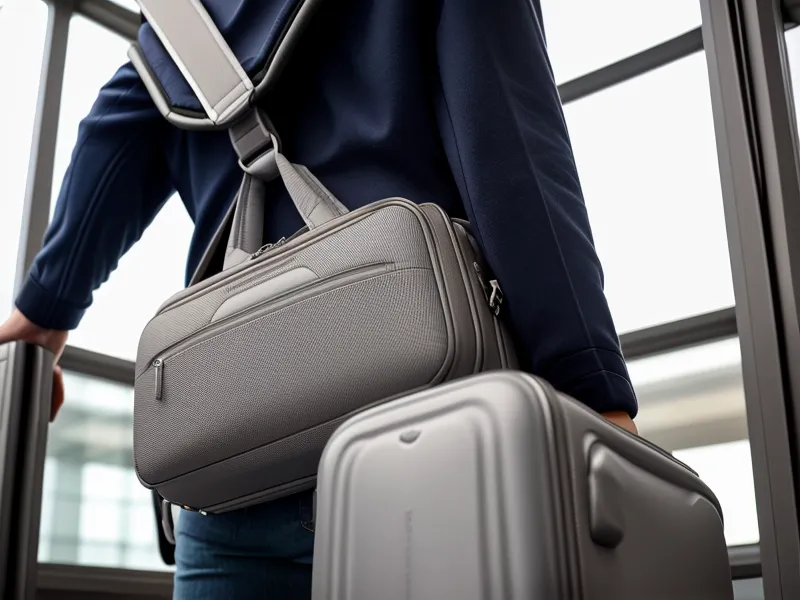
For most of my career, I’ve stuck to legacy carriers. On Delta, American, or United, the rules are mostly about volume. They want to see that your bag hits the 22 x 14 x 9 inches standard, ensuring it doesn't prevent the bin from latching. If it clears that bar, they generally don't care if you're carrying a week's worth of clothes or a collection of antique paperweights. It’s a bit like picking a daily driver versus a road-trip car; for the daily commute, you just need it to fit in the garage.
However, the sense of freedom you get on a mainline flight is a bit of a trick. Domestic travel in the U.S. is increasingly a patchwork of ‘mainline’ legs and regional hops. My discovery that weight actually matters didn't happen on a massive Airbus; it happened on the CRJ200 regional jets that seem to make up half of my life. These smaller aircraft are incredibly sensitive to weight and balance. While a 40-pound carry-on won't tip a Boeing 737, it’s a genuine logistical headache for a 50-seat regional bird where every pound is scrutinized by the flight crew before takeoff.
When the Scale Actually Comes Out
I learned the hard way during last winter's holiday rush that ‘domestic’ doesn't mean ‘uniform.’ While I was breezing through IND with my usual heavy pack, I watched a traveler on a different route get stopped. It turns out, if you’re flying Hawaiian Airlines, there is a very real 25 lbs carry-on weight limit. Seeing that traveler’s face as they were told their bag had to be checked because of a few extra pounds was a wake-up call. It’s a different kind of stress—the kind where you’re suddenly aware of every extra pair of shoes and that heavy power brick you didn't really need.
Then there are the budget players. Frontier Airlines, for example, has a stated 35 lbs carry-on weight limit. While they are often more obsessed with the dimensions than the weight, they have the scale right there at the gate. I’ve stood in those lines and heard the hollow, metallic ‘clack’ of a bag hitting the bottom of a metal sizer at the gate while a line of impatient travelers watches. It’s a sound that signals a very expensive day. If the bag doesn't just slide in, or if the agent decides it looks a bit too heavy for the bin's structural integrity, you’re opening your wallet before you even see the jet bridge.
I’ve also had to keep an eye on the TSA 3-1-1 rule, which remains the one constant in this chaos. Staying under the 3.4 ounces limit for liquids is second nature to me now, but I’ve realized that liquids are also some of the densest things in my bag. When you're flirting with a 25-pound limit on a regional carrier, every ounce of hair gel starts to feel like a liability. I’ve done some real-world testing of the industry's hardest working bags to see which ones handle these weight-sensitive routes without falling apart, and the results usually come down to how much the bag itself weighs before you even put a sock in it.
The Physics of the Overhead Bin
Weight limits aren't just an airline’s way of squeezing another fifty bucks out of you—though it certainly feels that way sometimes. After talking to a few flight attendants during a long delay in Chicago mid-summer, I learned that those bins have actual weight ratings. When I felt that sharp, sudden strain in my lower back when trying to guide a 40-pound carry-on into a high bin without hitting the passenger in 2C, I wasn't just hurting myself; I was testing the rivets of the aircraft. Those bins on Embraer and CRJ planes aren't built for the kind of density we try to force into them.
This is why ‘gate checking’ or ‘valet’ service exists for the smaller planes. They know the bag fits the 22 x 14 x 9 inches dimensions on paper, but they also know the bin can't handle the sheer mass of twenty business travelers’ worth of tech and leather. It’s a structural reality that overrides whatever status you might have in their frequent flyer program. After enough flights, you start to realize that a bag that’s too light feels like a toy, but a bag that’s too heavy is a weapon. I’ve had high-end bags from brands that shall remain nameless—bags that cost more than my first car—actually have their frame warp because I packed them to the gills for a week-long conference.
Why Ultralight Isn't Always the Answer
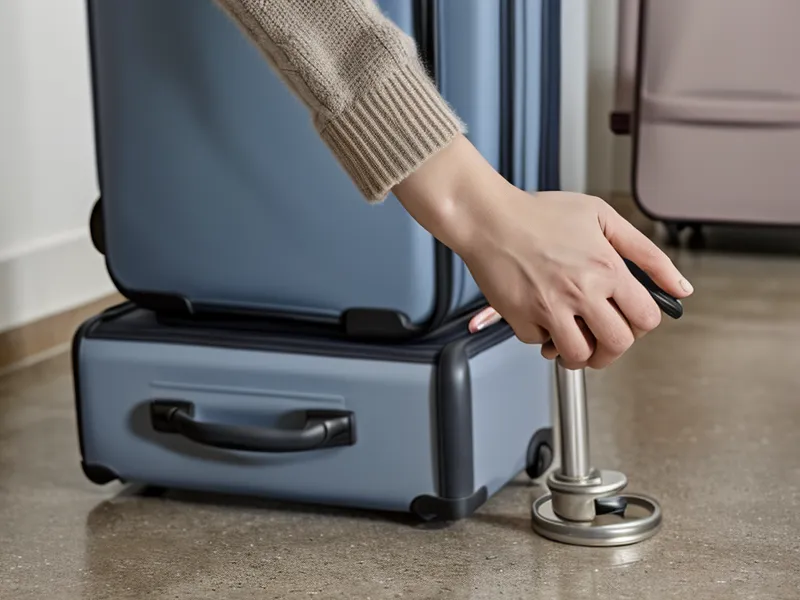
Here is where I diverge from the typical travel blogger advice: trying to keep your carry-on ultralight is often a mistake. We’re told to buy the thinnest, lightest shells to maximize our weight allowance, but mid-weight bags are actually easier to maneuver. Think of it like a kitchen knife; you don't want something so light it feels like a feather, because then you have to do all the work. A bag with a little bit of ‘heft’—maybe 7 or 8 pounds empty—tends to have a lower center of gravity.
When I’m sprinting through a terminal in late September, I want a bag that tracks straight. Featherweight bags have a tendency to skitter across the carpet or tip over the second you hit a transition strip. A bit of weight helps the wheels bite into the floor. If you've ever wondered why your spinner wheels keep failing after a year of business travel, it’s often because they aren't designed to handle the lateral stress of a bag that's either too light and bouncing around or so heavy it’s crushing the bearings. There is a sweet spot—a middle ground where the bag stays stable without making you groan every time you reach for the overhead handle.
Developing a Lowest Common Denominator Strategy
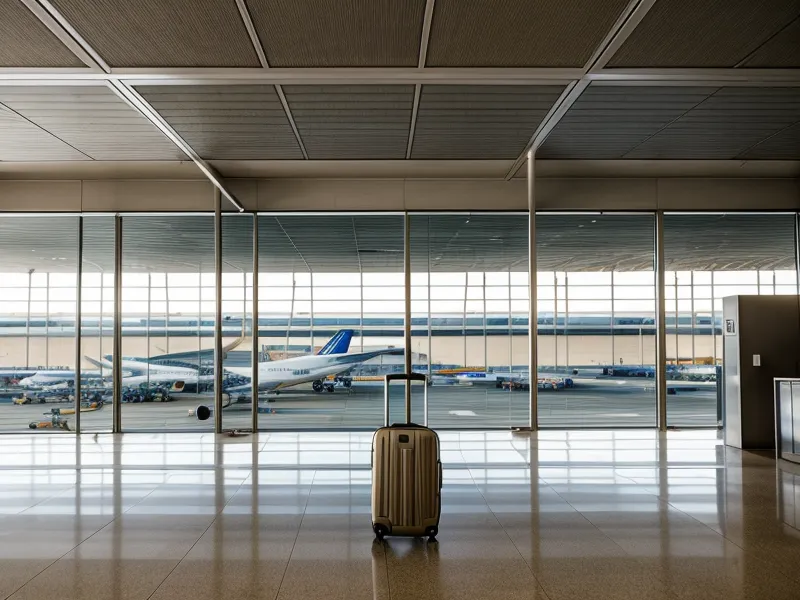
My strategy has shifted. I no longer pack for the flight I’m on; I pack for the strictest limit I might encounter on the way back. If my trip involves a connection on a regional jet, I pack as if I’m bound by that 25-pound limit. It forces a certain discipline that my marriage-mandated family vacations often lack. When we’re traveling as a group, the weight rules become a nightmare, which is why I’ve occasionally resorted to shipping family vacation bags ahead to save time at the airport rather than fighting the gate agents and the overhead bins simultaneously.
What I learned over this past year is that weight limits for domestic flights are a hidden trap for the unprepared. You can go five years without seeing a scale, and then one day, you’re flying out of a smaller hub and suddenly your bag is on the floor and your credit sc-xAoRDD is out. Now, I aim for that 25 to 30 lbs range regardless of the carrier. It saves my back, it keeps the bag from getting valet-tagged into the cargo hold, and it ensures that when I hit the ‘clack’ of the sizer, it’s a sound of success, not a bill for an extra bag fee. At 41, I’ve realized that the goal isn't just to get there; it’s to get there without needing a physical therapist the next morning.