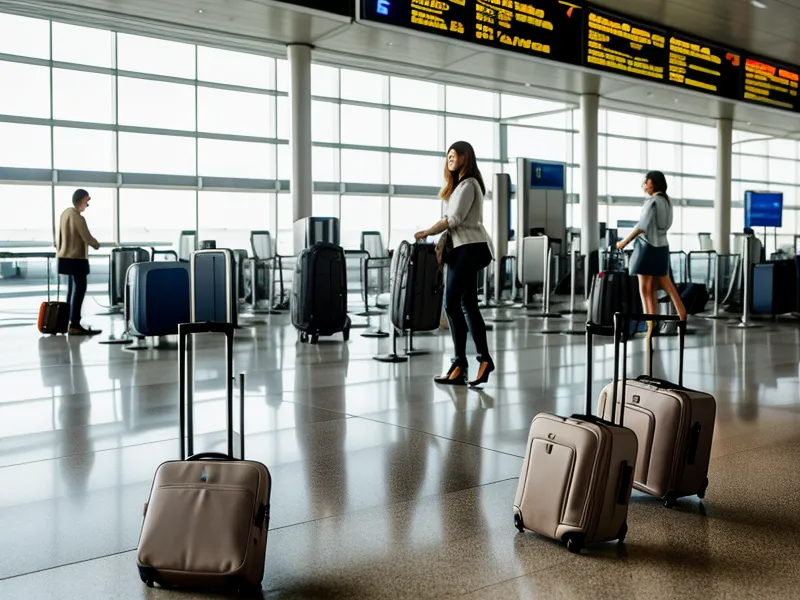
What actually kills a spinner wheel on a bag you've hauled through two dozen airports? Is it the miles, the weather, or just bad luck in a cheap batch of plastic? I get some version of this question from almost every fellow road-warrior I talk business travel with, usually right after their bag starts making a sound it never used to make. Luggage maintenance on a carry-on built for every-other-week flying isn't really about the wheels themselves — it's about catching the small failure before it turns good gear into an expensive paperweight, and that's as much a durability question as a maintenance one.
The honest answer is a mix of all three, but not in equal parts. After watching more than one bag die of this exact failure, the wheels — not the fabric, not the handle — turned out to be the common weak point every time. A travel schedule built around sales samples and client meetings is simply a different kind of abuse than two vacations a year, and hardware marketed for the second case gets exposed fast by the first.
Is That Wobble in the Handle Actually the Wheel's Fault?
Usually, yes. You feel it before you hear it: a faint rattle traveling up through the grip as the bag crosses flat tile, barely there, not a grinding noise yet, just slack where there used to be none. That's a wheel axle starting to work itself loose, not the frame or the handle mechanism failing.
Road salt and parking-lot grit are the usual culprits. Most consumer-grade spinner wheels run on plastic bushings rather than sealed ball bearings, which turn into grinding paste once grit and salt work their way in. A three-city swing through slushy Midwest winters is brutal on that hardware in a way a single beach trip never is, which is exactly why I went looking at how Travelpro Spinner Wheels Performance Across Salty Winter Parking Lots held up — the exposed wheel design loses points every time. Catch the rattle early, wipe the axle area down after a salty trip, and it usually stays a minor nuisance instead of turning into a grinding thwack-scrape through a quiet terminal.
The Three Things That Actually Wear Carry-On Wheels Out
Three things do almost all the damage, and weight alone isn't one of them. Grit and cold take the axle, as covered above. Curb-jumps and jet-bridge gaps take the housing, since every hop off a curb sends a jolt of torque into the plastic mount holding the wheel to the corner of the bag. Gate-checking is the third and the most underrated of the bunch: a bag built for gentle rolling through a terminal gets tossed and stacked on a jet bridge the moment it goes under the plane, which is a different kind of abuse than anything the wheel was designed for.
None of these show up on day one. They show up as a sequence — first the rattle, then the flex, then the crack — which is why a bag that feels indestructible in the store can still be dead within a year of real business travel.
Cold Does Something Different to Plastic Than Heat Does
Cold makes plastic brittle in a way a Midwest summer never will, and that caught me off guard the first time I paid attention to it. Loading a hardshell into a rental car trunk outside O'Hare during a February cold snap bad enough to crack lips, I pressed a thumb hard into the corner seam near the wheel well expecting some give, and got nothing — no stress line, no flex, just solid, cold plastic holding its shape. That particular bag held up fine. The cheaper hardshells I've carried haven't been as lucky, and the difference usually comes down to how much attention the manufacturer paid to the housing around the wheel rather than the shell itself.
Heat is a different kind of problem. A bag stuffed heavy for a summer client trip and then lifted over a curb puts real torque on that same housing, partly because manufacturers push wheels out toward the corners to squeeze every inch out of the Standard US domestic carry-on size limit. Hardshells built from rigid polycarbonate transfer that jolt straight into the screws instead of absorbing any of it, which is the main argument for a softer-sided frame if you're hauling heavy sales samples every other week.
Choosing Between a Spinner and a Two-Wheeler for Business Travel
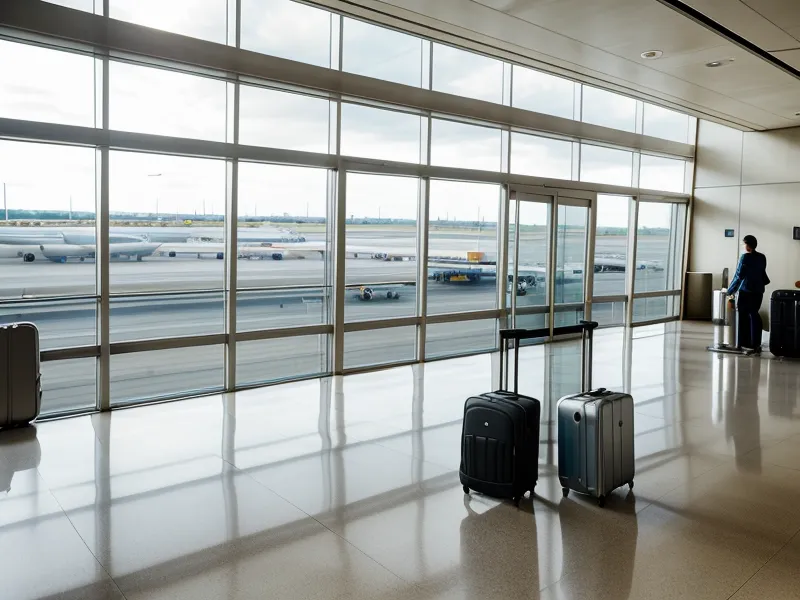
Recessed two-wheel designs tuck their wheels inside the frame's corners, protected by fabric and structural plastic, and that protection is the whole tradeoff against a spinner's 360-degree turning circle.
A friend of mine — flies radio-control planes out at Eagle Creek Airpark most Sunday mornings, nothing to do with luggage — borrowed an expensive spinner for a Chicago trip over my objections, and came back annoyed about the exact kind of skid I'd warned him about: wet terminal tile, one wheel catching, the whole bag slewing sideways. A two-wheeler with recessed casters would have tracked straight through that same puddle.
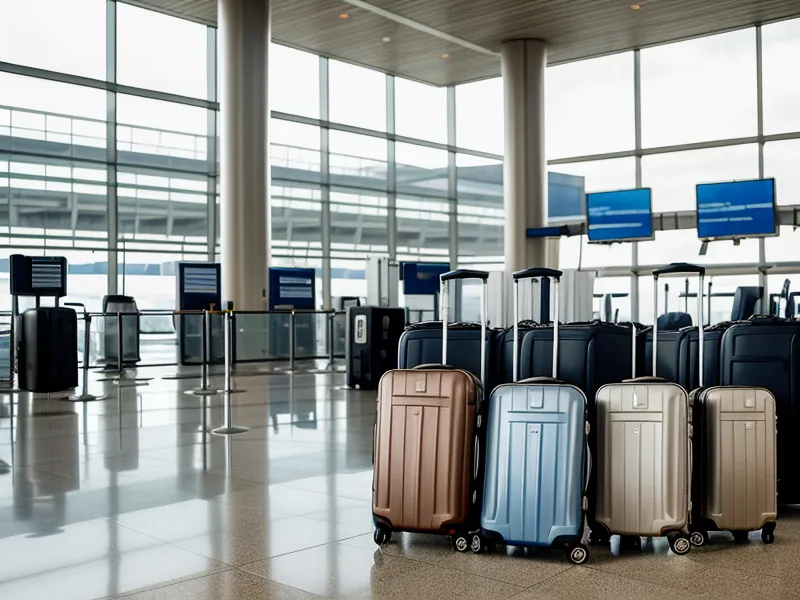
Softer-sided builds tend to win this tradeoff too, which is part of why Why Softside Luggage Fits Better in Small Regional Jet Overhead Bins — a frame with some give compresses into a tight regional-jet bin instead of fighting it the way a rigid hardshell box does. None of this makes spinners a bad idea. It means a spinner's convenience comes with hardware that takes more punishment, so buy accordingly if you're checking in every other week instead of twice a year.
Can a Wobbly Wheel Be Fixed, or Is the Bag Done?
Sometimes. A loose axle that just rattles can often be tightened or swapped if the housing itself is still solid, and replacement wheel kits exist for exactly this reason — worth five minutes with a screwdriver before writing the bag off.
What you can't fix is a cracked or visibly splayed housing, because once that plastic mount has flexed past its limit, it keeps flexing until it snaps clean off mid-trip, usually at the worst possible gate. The way I decide: load the bag to the weight you'd actually travel with, then push it sideways across the roughest floor you can find. If the housing visibly splays outward under that load, the bag is done, no matter how new the fabric looks.
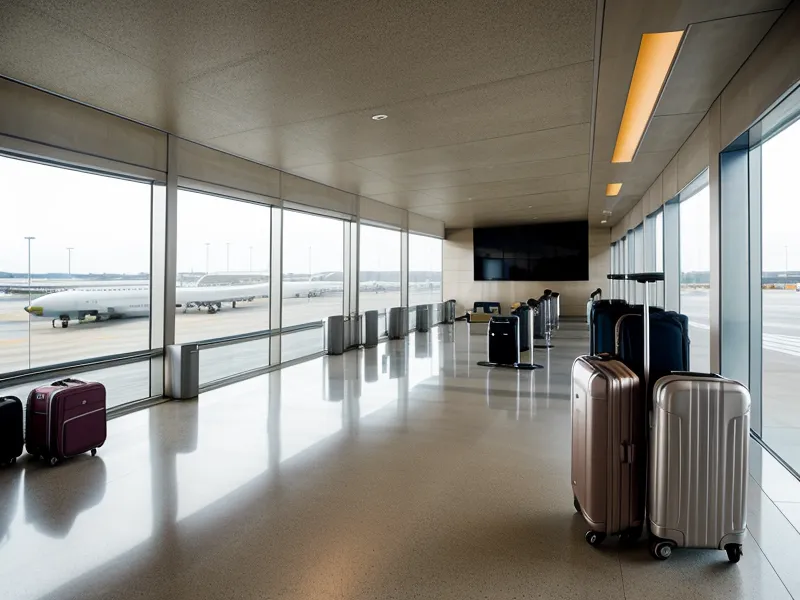
Zippers tend to fail on the same rough timeline as wheels, and self-repairing coil zippers hold up to being stuffed far better than the thin fashion-zipper tracks that look good on the shelf. A warranty that actually covers wheel housings, not just stitching, is worth more than almost any other spec on the page.
What I Actually Check Before Buying the Next Carry-On
None of this is about TSA-approved locks (mostly there for show) or built-in USB ports, which get more marketing attention than the parts that actually fail.
Compression bags are a good example of a fix that solved the wrong problem for me — they bought real space in the main compartment, but every dress shirt came out looking like it had been slept in, so I stopped using them for anything headed straight into a client meeting.
Wheels deserve that same honest audit. Daylight between the bottom of the bag and the floor matters more than people think, because a frame that rides low scrapes on every ramp and curb cut between the taxi stand and the gate. A full breakdown of which bags survive that kind of repeated abuse and which ones quietly fall apart lives in Beyond the Gate Fight: My Real-World Testing of the Industry's Hardest Working Bags, if you want the long version.
The short version is this: the wheels are the first thing to go on almost every bag, long before the fabric, the zipper, or the handle give out. That's where a careful buyer should be looking first, not at the marketing photo of someone rolling a bag along with one finger.