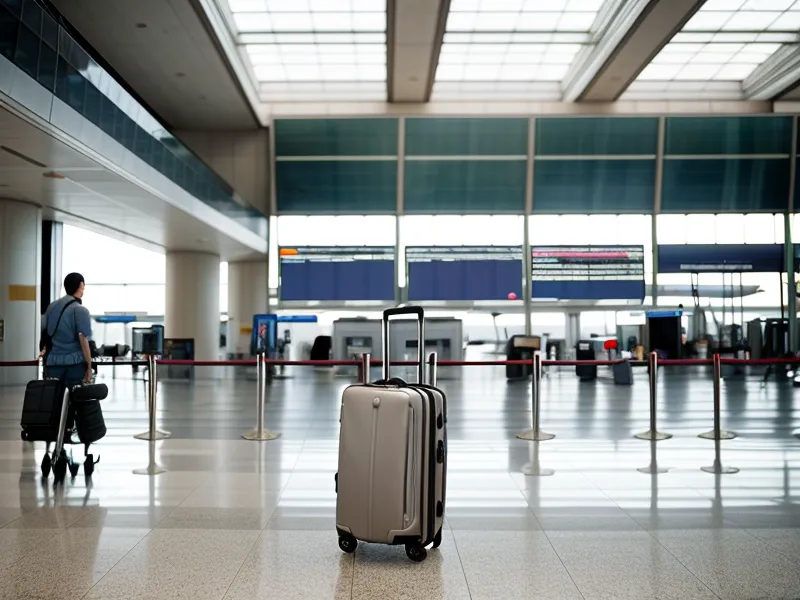
Four bags went through this year's business-travel testing rotation, plus a fifth thing that technically isn't a bag at all — a shipping service. Only one of those five flopped for a reason that had nothing to do with wheels, zippers, or a cracked shell. Early on I tried a backpack-style hybrid that photographed well and packed like a laundry hamper: everything dropped in from the top sank straight to the bottom, so finding a phone charger meant digging past a folded blazer first. It got retired before it ever saw a real trip — these days it hangs on a pegboard in the spare room that doubles as my gear-staging area, next to a couple of wheel axles I've pulled off bags that didn't make it — which is the whole reason this carry-on comparison sticks to bags that work the way a carry-on is supposed to: wheels down, zipper around the perimeter, one way in and one way out.
A quick disclosure before the durability talk: this site runs on affiliate links, and if you buy a bag or a shipping plan through one of the ones below, I earn a commission at no extra cost to you. Nothing on this list made it because a brand sent a sample — these are bags I've rolled through terminals myself or vetted hard against people who fly the same kind of schedule I do. You can find my full transparency policy here.
The Four-Way Test, and What Each Bag Had to Prove
The four bags that made the final rotation split cleanly into a flight-crew classic, a budget-friendly aluminum shell, a heavyweight warranty-backed workhorse, and a shipping service that skips the overhead-bin fight altogether. Comparing them is less like ranking four contestants and more like picking a daily driver over a road-trip car — you want something built for the regular grind, not just the occasional epic haul, and the only way to know which is which is to actually put miles on each one.

Official carry-on dimensions cap out at 22 x 14 x 9 inches, and that number means almost nothing once you're flying regional jets — a CRJ200's overhead bin is closer to an oversized breadbox than an actual compliance zone. A reader named Marcy Bellew, who flies a healthcare sales route on a schedule almost as packed as mine, emailed a while back to point out that the exterior measurements I'd quoted for a different bag didn't actually clear that bin; she was right, and I measure twice now. Hardshell versus soft-side is its own rabbit hole — think cast-iron skillet against a nonstick pan, more protection for fragile stuff against more give for an odd-shaped bin — and I've gone deep on why softside luggage fits better in small regional jet overhead bins if you want the full breakdown.
Where Luggage Durability Actually Gets Tested
On a stretch of back-to-back connections, I ran the Travelpro against the LEVEL8. The Travelpro has been the flight crew's favorite for a reason — it's built from ballistic nylon, a fabric that started out in flak jackets, and it wears like a nonstick pan: nothing really sticks to it, and it shrugs off heat. The soft-side still picked up a handful of scuffs from jet bridge rubber over a humid stretch, which is the tradeoff that comes with fabric instead of a shell.
The LEVEL8 makes the opposite argument. Its aluminum frame feels like a tank rolling across tile, and the wheels run noticeably quieter than most sub-premium hardshells. But aluminum has a memory in a way polycarbonate doesn't — a scuff on an aluminum corner stays there permanently, while a polycarbonate shell tends to flex back into shape. A colleague from the regional sales team, Roz Henriksen, won't buy a hardshell on principle; she'd rather live with a dent than risk a shatter. After watching an aluminum corner take a permanent ding on a jet bridge, I get the logic even if I don't fully share it. If you're the type who winces at a door ding on your car, the hardshell life might be more stress than it's worth; the full soft-side vs hardshell field notes covers the rest of the tradeoffs.
The Frequent-Flyer Case for a Lifetime Warranty
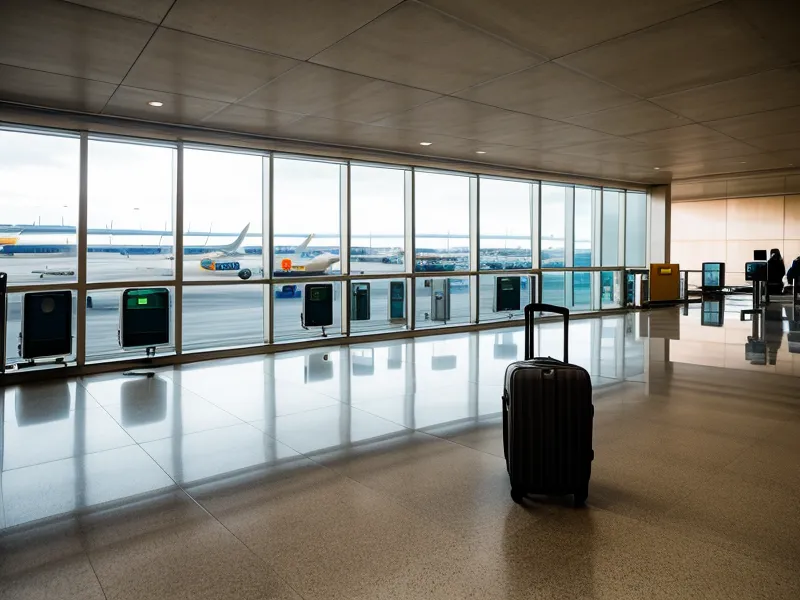
A multi-day conference that mixes business casual with 'I might hit the hotel gym' gear is where the Briggs & Riley earns its keep, mostly thanks to a CX compression system that buys you roughly another two and a half inches of depth and then compresses it back down once the bag is zipped — less a gimmick, more a drawer organizer that actually does its job.
The real selling point, though, is the warranty: Briggs covers damage caused by the airlines themselves, not just manufacturing defects. I've had a tight connection force a gate-check more than once, and watched a ramp crew toss the bag onto the jet bridge the way you'd toss a sack of mulch off a truck — the zipper never hesitated afterward, and if it had, that's exactly the kind of damage this warranty is built to cover. That peace of mind carries real weight, literally — the bag is built like furniture, which is great for durability and less great if you're already pushing a standard 50-pound checked limit on the way home with souvenirs. My Briggs and Riley suitcase durability review gets into how it's held up over time.

What If You Just Didn't Carry It?
Sometimes the best carry-on is the one you ship instead of haul. That became obvious when a set of sample cases for a client meeting pushed well past the standard domestic checked weight limit of 50 pounds — wrestling a case that heavy through a rental shuttle, then paying the airline's 'we caught you' overage fee, isn't a fight worth having twice. Luggage Forward picked it up at the house and had it waiting at the hotel instead.
It's a different kind of logistics math. They back a 200 percent late-arrival guarantee — if a shipment is late, they refund double what you paid to ship it, which beats a voucher for a snack box when the cargo is mission-critical. For families shipping bags ahead of a vacation instead of wrangling them through a crowded curbside, the same logic holds; shipping bags ahead gets into the family-trip version of this math.

Picking Your Daily Driver
None of this adds up to one perfect bag, because there isn't one — just the right tool for how often you're actually flying. Fly every other week and dread gate-checks? Weigh the warranty harder than the shell material, because a bag that gets replaced when a ramp crew wrecks it beats a bag that merely looks tough on a shelf. Hauling sample cases or gear that blows past a standard checked weight limit? Run the shipping math before you fight a rental shuttle with it. Need one good bag for a handful of trips a year? Either the aluminum frame or the ballistic nylon will outlast however much you're actually flying. The backpack-style hybrid is the one shape I'd skip outright, no matter how good it looks in the product photos.
If you'd rather make that call once instead of finding out the hard way which feature actually matters, the breakdown below is where I'd start.
| Product | Rating | |
|---|---|---|
| Briggs & Riley Top Pick | 9.4 | Read More → |
| Luggage Forward Editor's Pick | 9.2 | Read More → |
| Travelpro | 8.8 | Read More → |
| LEVEL8 | 8.5 | Read More → |
Briggs & Riley
Pros
- ✔ CX-2 compression system genuinely buys you another shirt or two
- ✔ Lifetime warranty covers airline-handler damage
- ✔ Built like furniture to survive years of jetway abuse
Cons
- − Heavier than minimalist hardshells
- − Premium pricing with no entry-level tier