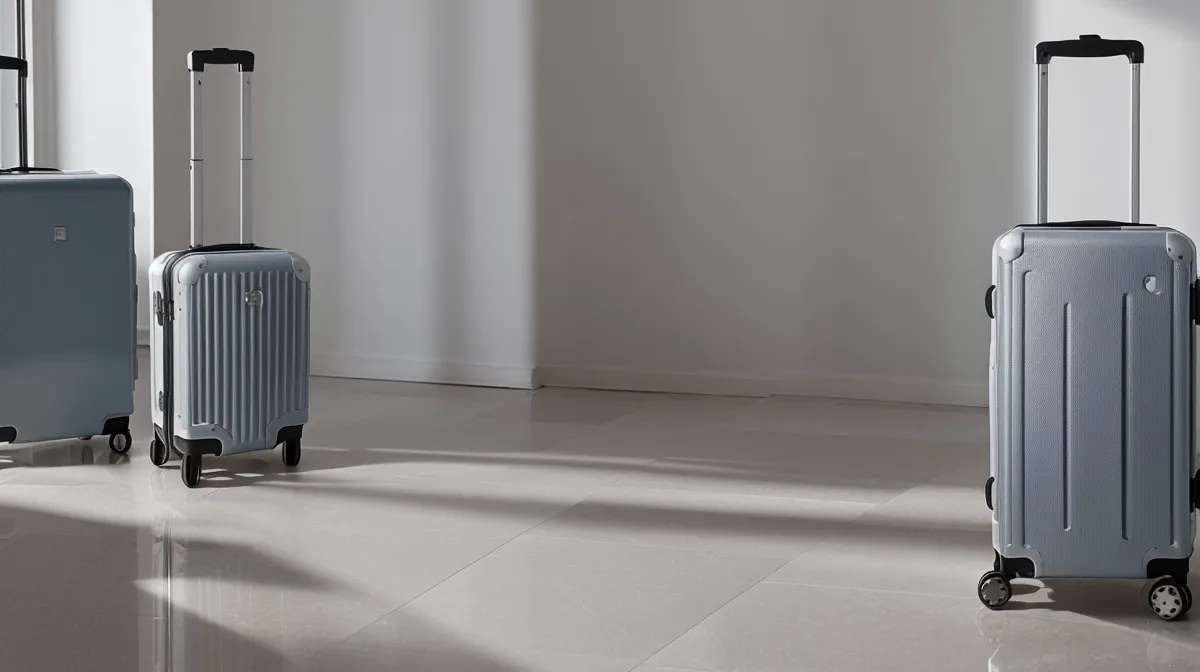
I was standing at the Indianapolis International Airport one snowy morning last November, wrestling with a 50-pound sample case and my own carry-on while the TSA line snaked toward the parking garage. The slush on my boots was melting into the tile, and I could feel that specific, gritty vibration through my telescopic handle—the one that tells you a spinner wheel's bearing is about to give up the ghost after too many miles of salt and grit.
Before we get into the weeds of logistics, a quick heads-up: this site uses affiliate links. If you decide to book a shipping service or upgrade your bag through these links, I earn a commission at no extra cost to you. I’ve spent over a decade living out of these bags, so I only talk about the gear I’ve actually dragged through terminals myself. Full transparency policy is available if you’re into that sort of thing.
The 50-Pound Ceiling and the Carousel Gamble
For someone like me—a regional manager who flies every other week—luggage isn't a fashion statement; it’s a tool, like a decent kitchen knife. When that tool fails, your whole day goes sideways. My bi-weekly flights were becoming a logistical nightmare of checked bag fees and the low-grade anxiety of wondering if my gear would actually be at the carousel when I landed. I’ve spent too many hours watching that black rubber belt go around, praying for a familiar hardshell that never shows up.
Most domestic airlines hit you with a hard 50 lbs weight limit before the "heavy bag" fees start turning a routine trip into a luxury expense. If you’re hauling professional samples or heavy trade show materials, you hit that ceiling faster than you’d think. Then there’s the 22 x 14 x 9 inches box—the standard domestic carry-on dimension that feels smaller every time I try to pack a winter coat. I’ve spent many nights in hotel rooms engaged in a quiet calculation of whether I can fit three days of professional clothes into a 22-inch frame without the zipper teeth looking like they’re about to snap.
The Trade Show Experiment: Enter Luggage Forward
By mid-February, during a particularly heavy trade show circuit, I decided to stop the madness. I’d heard about Luggage Forward and wanted to see if the math actually worked for a guy who isn’t flying private. The pitch is simple: they pick up your bag at your house and it’s waiting at your hotel. No check-in lines, no "gate-check" surprises when the overhead bins are full, and no wrestling with a cart in a snowy parking lot.
What caught my eye wasn't just the convenience; it was the 200% on-time guarantee. If the bag is late, they don't just apologize; they refund double what you paid. Compare that to an airline, where a lost bag gets you a voucher for a sandwich and a shrug. When you're shipping mission-critical gear, that guarantee changes the math. It’s the difference between a "maybe" and a "definitely."
I sent my heavy sample case ahead and kept my clothes in a Travelpro Maxlite 5. Since that bag has an empty weight of just 5.4 lbs, it’s my go-to for staying under the radar of gate agents looking for bags to force-check. You can read more about my long-term thoughts on that in The One-Year Verdict. But for the heavy stuff? Shipping was the play.
The Turning Point at the Carousel
The moment it clicked for me was in late August on the way home from a grueling three-week stretch. I was walking past a massive, frustrated crowd at a stalled baggage carousel in a different city. People were visibly vibrating with anger. I just kept walking. My heavy gear was already being picked up from the client's office and would meet me at my front door in Indy a few days later.
This is where we talk about the "hidden" math. Most people compare the shipping cost to a single $35 checked bag fee and think it’s a ripoff. But that’s like comparing a daily driver to a road-trip car. If you have a second checked bag, most US airlines increase the fee significantly compared to the first. And if that bag is overweight? You’re paying a premium that makes shipping look like a bargain. Plus, if you’ve ever had a wheel snapped off by a handler, you know airlines typically exclude damage to wheels and handles from their liability policies. Shipping services treat the bag as cargo, which, ironically, usually means it gets handled better than a "checked" bag being tossed onto a tug.
However, there is a catch I don't see mentioned often. The real math changes when you factor in insurance. Most shipping services include a base level of protection, but if you’re shipping high-value items that exceed standard liability limits, the mandatory insurance premiums can climb. It’s often more expensive than checked bags once you factor in those high-cost premiums required to guarantee transit for expensive gear. For a bag of dirty laundry and some brochures? It’s fine. For a prototype worth ten grand? Check the fine print on the insurance surcharge.
Knowing When to Ship and When to Carry
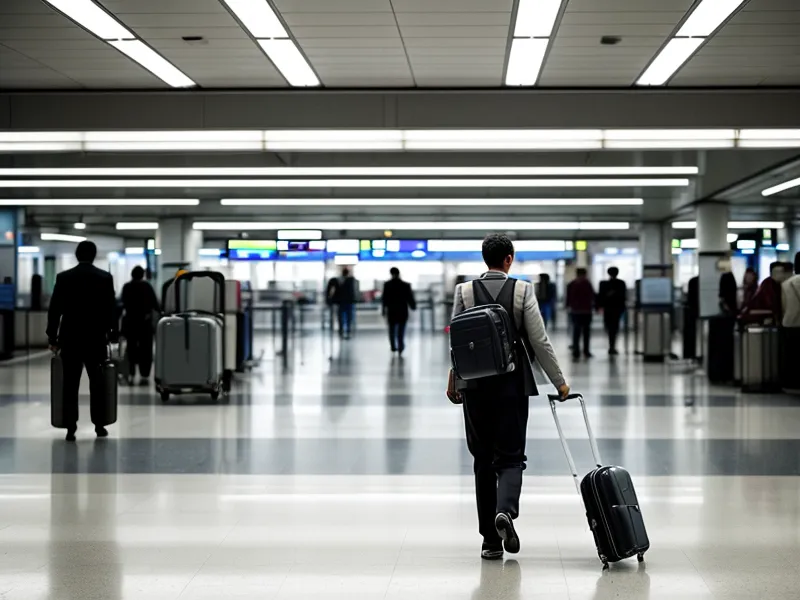
After three consecutive weeks of travel this past summer, my system has stabilized. I don't ship every time. If I can fit it all in my Briggs & Riley—which has a compression system that genuinely buys me another shirt or two—I’ll take it on the plane. That bag is built like furniture and survives the overhead-bin punishment that kills cheaper hardshells. You can see how it’s held up in my review of why this suitcase still works after years of travel.
But for the trips where I’m hauling the 50-pound "death case" of samples? I’m using Luggage Forward every time. It’s a justified business expense when you consider the hour of life you get back at each end of the flight. You’re essentially buying time and sanity, and for a regional manager who spends half his life in a middle seat, that’s the only currency that matters.
If you're tired of the gate-check gamble, especially on those tiny regional jets where the bins are the size of a mailbox, consider the shipping route for your heavy gear. It’s not for every trip, but when the math works, it feels like a cheat code for the modern airport. For the rest of your trips, stick to a high-quality carry-on and learn how to skip the baggage carousel entirely.
Safe travels, and may your wheels never develop that gritty Indy-slush rattle.