
A zipper slider drags for half a second before it jumps the track, a scrape you feel in your fingertips before you ever hear it. That drag is the only warning most bags give you, and after years of regional flights I've stopped blaming the wheels or the shell for luggage durability problems that are almost always a zipper problem in disguise. The teeth take the brunt of every overhead bin, every re-pack at security, every time you lean a knee into the lid to force it shut — and zipper maintenance, not shell material, is what actually decides how long a bag survives a business travel gear schedule.
Terminal A at Indianapolis International Airport is where I learned that lesson the hard way, on a trip where the cubes inside my bag were doing exactly what they're built to do: compress. I'd packed them tight enough to buy myself one more folded layer, which pushed the whole bag about half an inch past the carry-on gauge sticker at the gate. The only way to get the lid shut was to lean my whole weight onto it until the zipper gave way instead of the cubes giving an inch back. That's not a manufacturing defect — that's me asking hardware to solve a packing problem it was never built to solve.
Why Zippers Fail First
Most of it comes down to arithmetic the bag never signed up for. A zipper has a rated tolerance for how much fabric and padding it's expected to compress, and every pound you force past that number gets paid for at the teeth, not the seams. I won't rehash gauge numbers or coil-versus-molded debates here — that's its own rabbit hole for another post — but the practical test doesn't need any of that: run a fingertip along the closed slider, and if it catches or feels gritty anywhere on the track, that's the spot that blows first, usually right where the bag bulges hardest.
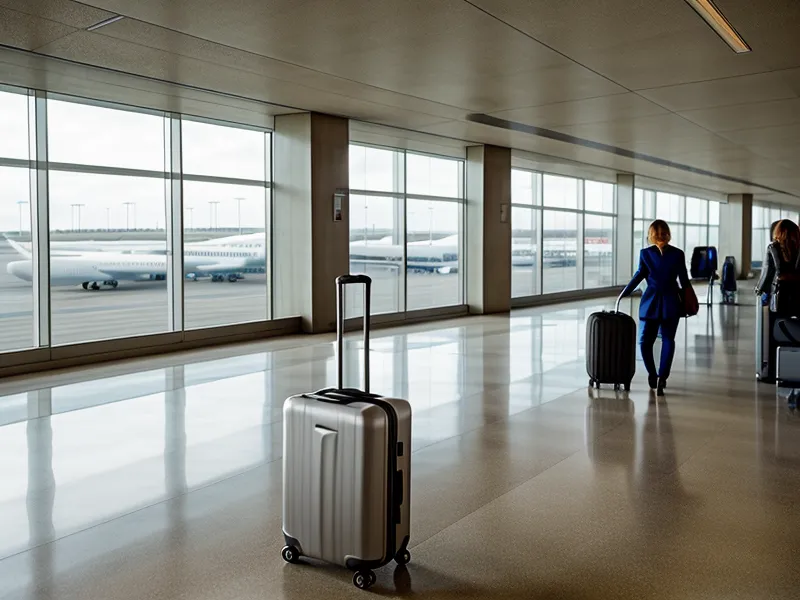
There's a whole theory about the order components give out on a bag, and I'll leave that breakdown to someone else's post. In every bag I've personally worn out, the zipper goes first, by a wide margin — even on the one where the telescoping handle had started snagging just short of full extension, that once-solid click landing soft and uncertain by comparison. Wheels and handles complain; zippers quit.
My friend Geneva, who still checks a bag on every single flight without a flicker of embarrassment, gives me grief about all of this whenever we land on the same flight home from a conference (she's never once missed a connection because of it, which doesn't exactly strengthen my case). She thinks the whole carry-on-only culture is a mild collective delusion, and she's not entirely wrong about why her zippers outlast mine; a checked bag never gets crammed into a tight box under a boarding-gate deadline, so the teeth never see the kind of load mine do on every single trip.
The Zipper Maintenance Habit I Had to Break
By the seventh week of packing the cubes two notches looser than I wanted to, the payoff showed up in a hotel room well past midnight — unzipping the bag for a clean shirt before an early meeting and finding it still flat, still creased exactly where it had been folded, the zipper pulling open in one smooth motion instead of the stutter I'd gotten used to feeling under my fingers.

The stress on a zipper that stays in the cabin the whole flight is almost entirely self-inflicted — a function of what I'm asking it to close, not what it's made of. That's a different kind of failure than the one caused by rough handling once a bag leaves your hands, which is a separate conversation entirely.
Softer-sided bags spread that stress out a little, because the fabric gives before the zipper has to take the full load; hardshells hand the zipper the entire job with nothing to absorb the difference. I got into that comparison in more depth in my Soft-Side vs Hardshell: My Field Notes After a Decade of Regional Flights, so I won't repeat all of it here.
Comparing Notes With a Once-a-Month Flyer
My neighbor Trent asked me at a block party a few summers back which carry-on he should buy for a new job that had him flying about once a month, and his bag has turned into an accidental control group ever since. Two years in, his zipper still pulls clean on the first try — not because his bag is built better than mine, but because once-a-month travel doesn't ask the same of a zipper that every-other-week travel does.
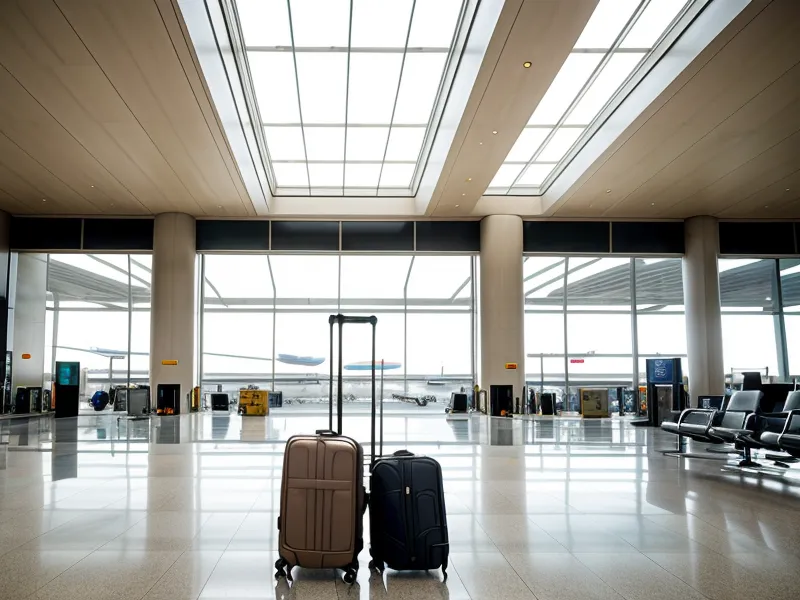
It's also why I've stopped treating a lifetime warranty like some kind of magic shield against this. A warranty is worth having — it got a zipper repaired under warranty once, on a trip that honestly deserved worse — but if you're mailing a bag back for zipper repair on a yearly basis anyway, that paperwork is just a slower complaint department. It doesn't fix the underlying stress that's wearing the teeth down in the first place.
Beyond-the-sizer gambles make the whole problem worse, because gate-checking a bag that's already stressed from being crammed shut one too many times doesn't do its zipper any favors — that gamble is really the subject of my Beyond the Sizer: Why Your 'Standard' Carry-On Might Still Get Checked, not this one.
The lesson that actually travels with me now has nothing to do with gauge numbers or brand names: before I force anything shut, I ask whether the bag is doing the closing or I am. If I'm the one supplying the muscle, the zipper is about to inherit a problem that was never really its fault, no matter whose stamp is on the slider.