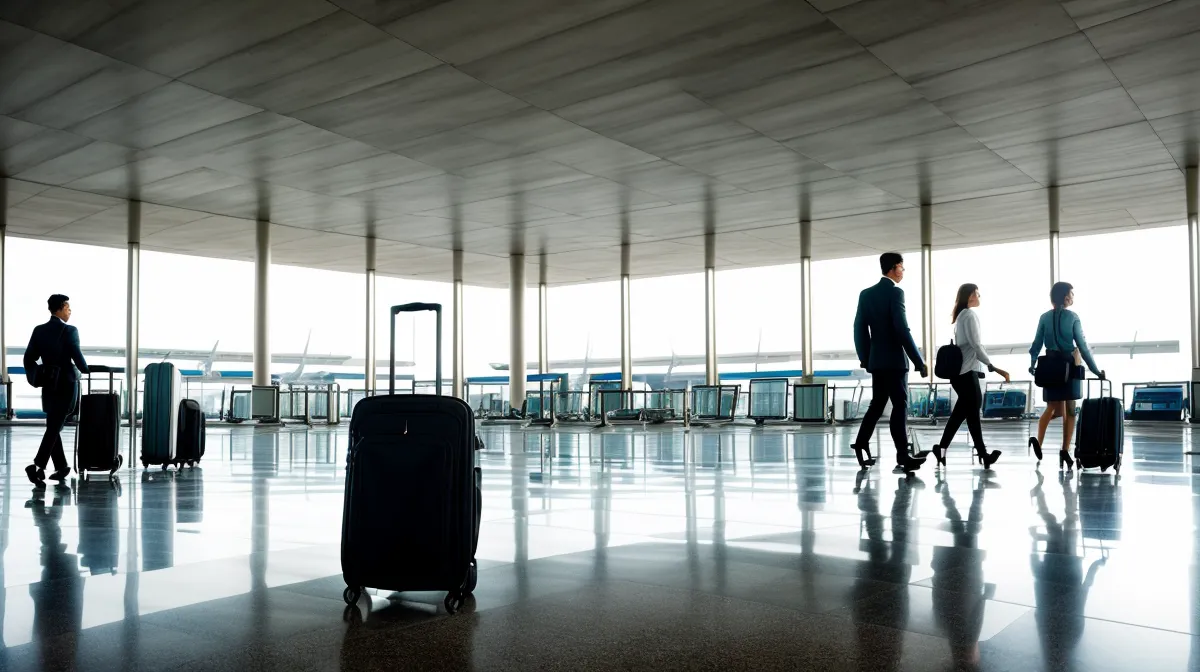
Standing at the baggage carousel late one night at Indianapolis International, I watched a fellow traveler’s glossy hardshell bag take a tumble off the slide. It wasn’t a dramatic drop, but the sound was unmistakable—a dull thud followed by a sharp crack, like a dry branch snapping under a boot. By the time it reached the belt, the corner was caved in and a jagged split was already weeping a corner of a blue silk tie.
After flying roughly 24 round trips per year for over a decade as a regional account manager, I’ve seen enough luggage carnage to fill a landfill. This site uses affiliate links, and if you buy luggage or a shipping service through these links, I earn a commission at no extra cost to you. I only recommend gear like the Briggs & Riley carry-ons I’ve actually dragged through snowy parking lots and shoved into the cramped overhead bins of regional jets. Full transparency policy is available here.
For the first few years of this job, I was a hardshell convert. I liked the look—the sleek, futuristic aesthetic that promised my belongings were encased in a high-tech fortress. But reality, especially the reality of the 22 x 14 x 9 inches domestic carry-on limit, has a way of denting those illusions. Choosing between a hardshell and a soft-side bag is less about 'better' and more about picking your daily driver versus a specialized road-trip car. One is built for the grind; the other is built for the photo op.
The Soft-Side Defense: Why 1680D Ballistic Nylon Still Wins
Late last autumn, I found myself re-evaluating my loyalty to the 'unbreakable' shell. I was testing a Briggs & Riley soft-side through a series of three-day sprints across the Midwest. Most high-end soft bags use ballistic nylon, specifically a 1680D density, which is essentially the luggage equivalent of a work boot. It doesn't crack; it just gets slightly more character.
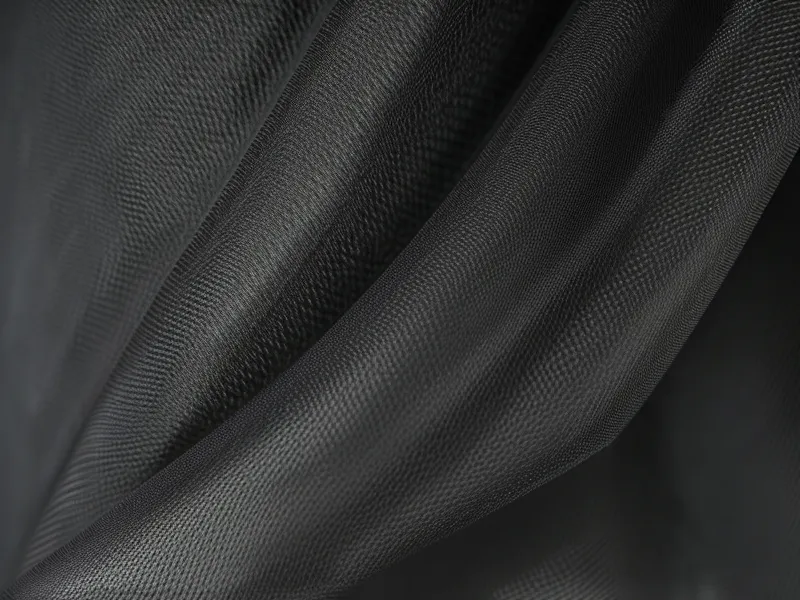
During a snowy February layover in Chicago, I watched my bag sit on a luggage cart for twenty minutes in a freezing rain-and-sleet mix. A hardshell would have wiped clean, sure, but the fabric on a quality soft-side is treated to shed that moisture too. More importantly, when the gate agent inevitably called for the last ten people to gate-check their bags because the overhead bins were full, I didn't flinch. Fabric absorbs the impact of being tossed into a cargo hold; plastic transmits that energy directly to the contents or the shell itself.
There is also the matter of the 'snick.' If you’ve used the CX-2 compression system, you know the feeling. You pack the bag while it’s expanded, then push down on the top. The satisfying, mechanical 'snick' of the compression racks locking down turns a bulging overpacked mess into a slim, manageable brick. It’s like a drawer organizer for your entire life. You can read more about why this Briggs and Riley suitcase still works after years of this kind of abuse.
The Hardshell Reality Check: Dents, Scuffs, and Spiderwebs
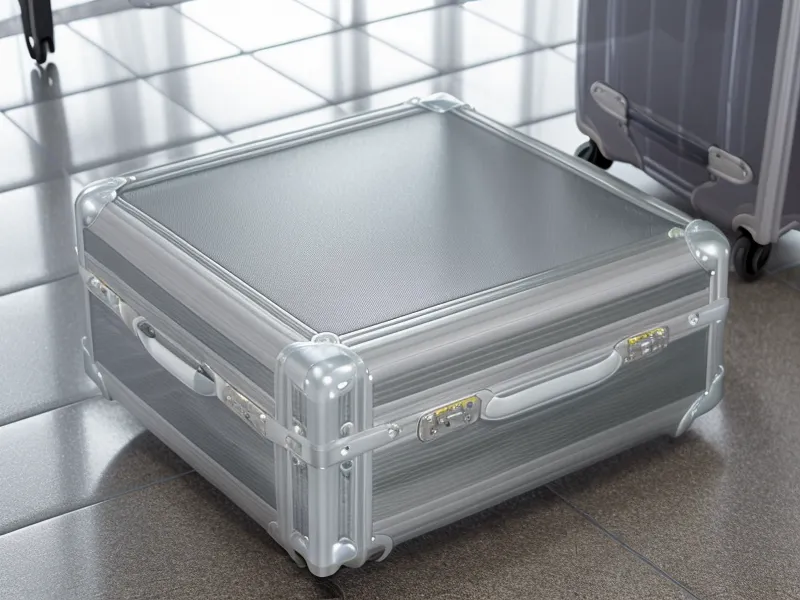
I haven't completely abandoned hardshells. I spent mid-summer testing a LEVEL8 aluminum-frame model because, frankly, sometimes you want to look like a professional and not someone who just finished a hiking expedition. There is a certain precision to the way a hardshell rolls, especially with quiet spinner wheels that have actual bearings. On a smooth airport floor, it feels like a kitchen knife sliding through butter.
But hardshells have a memory for every mistake the airline makes. Unlike polycarbonate, which is designed to flex and pop back into shape, aluminum panels retain permanent dents. Every scuff is a permanent record of that one connection in Detroit where the handler was having a bad day. I’ve noticed the 'rumble' of wheels on different floor textures is often louder on hardshells, as the hollow plastic body acts like a drum, amplifying every vibration from the sidewalk.
The real moment of truth came early September on a small regional jet. I was forced to gate-check my hardshell. When I got it back at the jet bridge, I found a spiderweb crack near the wheel housing. It was a sobering reminder that 'unbreakable' is a marketing term, not a physical law. If you're worried about your hardware, you might want to check out my notes on why the zippers on my Level8 carry on have actually managed to survive where the shell struggled.
The Contrarian Angle: Why Hardshells Actually Limit Your Space
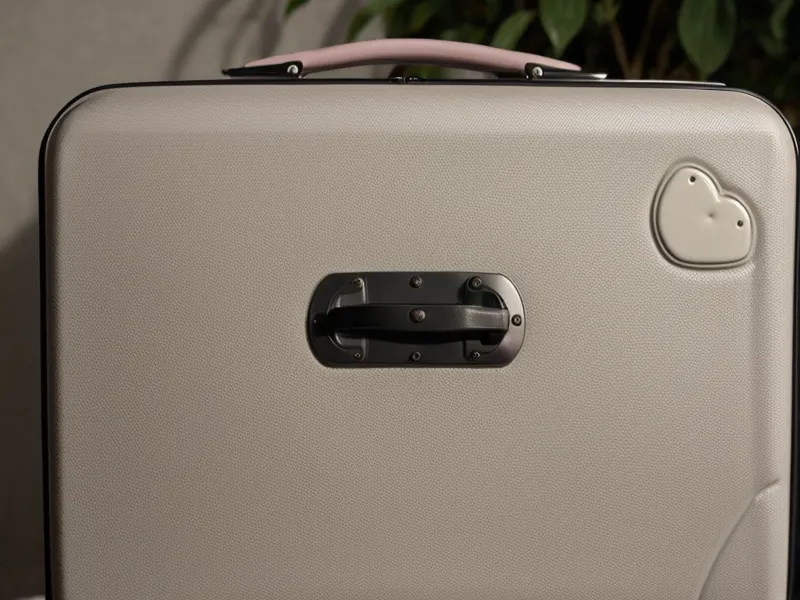
Here is the part the luggage brands won't tell you in their glossy Instagram ads: Hardshell luggage actually limits your capacity more than soft-sided bags. It sounds counter-intuitive because a hardshell has fixed dimensions, but that rigid structure is exactly the problem. It prevents you from utilizing the space-saving benefits of compression packing cubes to their full potential.
In a soft-side bag, the fabric has 'give.' You can use packing cubes to densify your clothes, and the bag's exterior will subtly bow out to accommodate the internal pressure. A hardshell is a zero-sum game. If your packing cubes are too thick, the zippers are under immense tension because the shell won't budge a millimeter. You end up fighting the bag to close it, which is how you end up with a blown zipper in a hotel room at six in the morning.
I’ve found that I can consistently fit about twenty percent more into a soft-side bag simply because I can 'negotiate' with the fabric. This is especially true when you're trying to fit that one extra souvenir or a bulky sweater for a mid-winter trip. If you're struggling with the 'will it fit' gamble, you should look into why softside luggage fits better in small regional jet overhead bins compared to its rigid cousins.
When to Skip the Carry-On Fight Entirely
Sometimes, the hardshell vs soft-side debate is a moot point because the trip is too long or the gear is too heavy for a 22-inch box. For family vacations or three-week client marathons, I’ve stopped playing the carousel lottery. This is where a service like Luggage Forward comes in. It’s a door-to-door shipping service that handles the logistics so you don't have to.
It requires a domestic ground transit buffer of about 3 to 5 days, so it’s not for the 'I forgot I have a meeting tomorrow' crowd. But for a planned trip, there is nothing quite like walking past the baggage claim at 11 PM while everyone else is staring at the hole in the wall, waiting for their life to reappear. They even offer a double money-back on-time guarantee, which is the kind of confidence I wish the airlines had. You can see how the math on shipping your bags stacks up against those rising checked-bag fees.
The Final Verdict: Experience Over Aesthetics
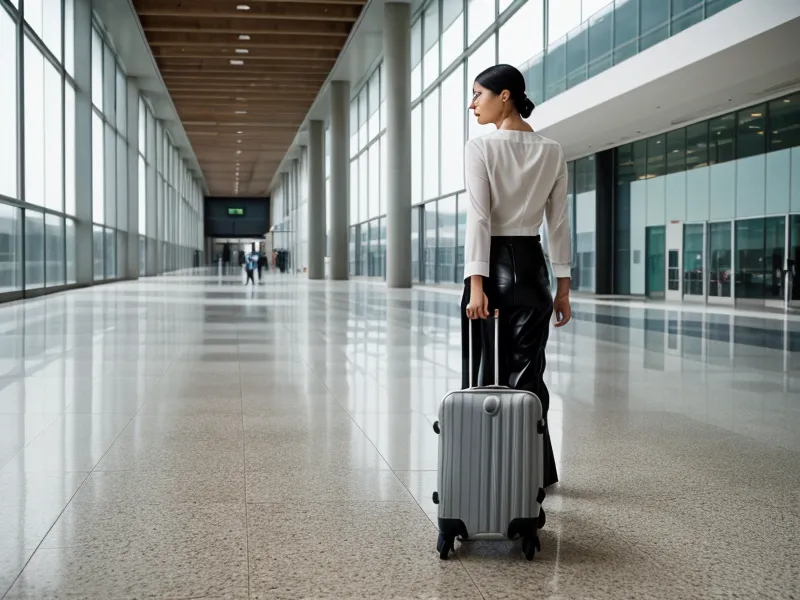
If you fly once a year for a beach holiday, buy the hardshell that matches your shoes. It’ll look great in the terminal and probably survive the round trip. But if you’re out there every other week, doing the 24-trip annual dance, you need a tool that can be repaired. That is why I lean toward Briggs & Riley—their lifetime warranty explicitly covers damage caused by airlines, not just manufacturing defects.
A bag that can be fixed is always better than a bag that has to be replaced. I’d rather have a scuffed-up, 1680D nylon workhorse that I know will click shut every single time than a pristine hardshell that might one day decide to shatter on a cold tarmac in Indianapolis. Check the current price on the vendor’s page before your next trip, as they tend to fluctuate with the seasons, but consider it an investment in your sanity.
At the end of the day, your luggage shouldn't be something you have to think about. It should just be the thing that holds your stuff while you figure out which gate your delayed flight moved to. Choose the bag that handles the punishment, not just the one that looks good in the overhead bin.