
A suitcase wheel about to fail doesn't scream. It grinds low and steady, easy to lose under boarding announcements and rolling foot traffic, right up until it seizes on a sloped jet bridge with a connection to catch. That grind is behind most of what this site has to say about luggage shipping: the decision to ship a bag ahead of a multi-city business trip is rarely about one bad flight. It's a plain calculation involving carry-on wear, buffer days, and how much travel efficiency the airline's overhead bin is willing to hand back.
Quick disclosure before the math: this site runs on affiliate links, including a few below for luggage shipping services and the bags mentioned throughout. Click through and book or buy, and I earn a small commission at no extra cost to you — the arrangement doesn't decide which service gets recommended, only which ones get tested first.
Why Regional Jet Bins Force the Decision
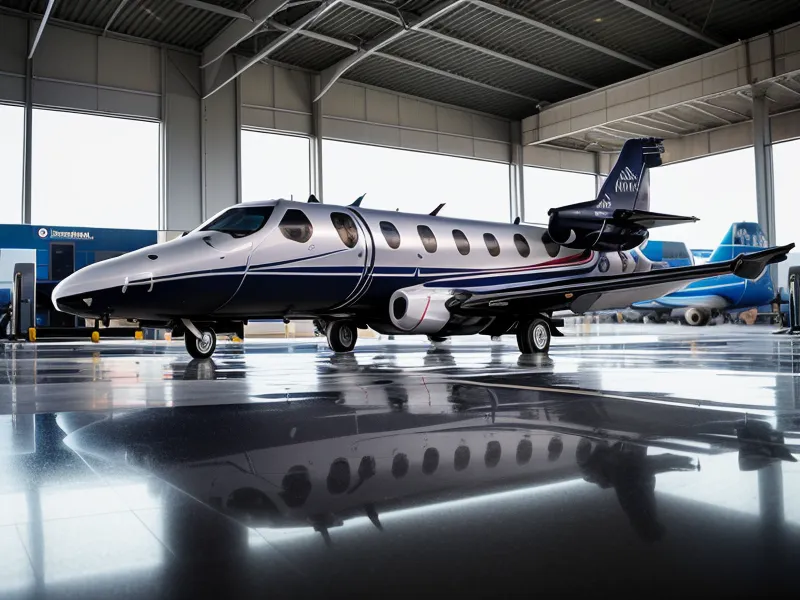
Regional jets make the decision for you more often than the airline admits. Book an Embraer or a CRJ and the gate agent starts the "limited overhead space" script before boarding even finishes, because those bins were sized for a laptop bag, not a real suitcase. The standard carry-on allowance most airlines quote — 22 x 14 x 9 inches — simply doesn't fit in a lot of these smaller cabins, so a real bag gets a yellow tag and rides in the hold whether you planned for that or not. I've broken down which best underseat carry on luggage for small regional jets actually clears those bins, and it's worth reading if regional routes make up most of your schedule.
Buying a better bag doesn't fix that math, though. Hardshell or soft-side is really the sneaker-versus-hiking-boot argument: one flexes and shrugs off scuffs, the other holds its shape and dents instead. But neither one makes a small bin bigger. Somebody asks me about the Briggs and Riley vs Travelpro for heavy business use question every few weeks, and the honest answer is that both are good bags solving the wrong problem on a three-city swing. The bin is the constraint. The bag is not.
The Real Math Behind Shipping a Bag Instead of Checking It
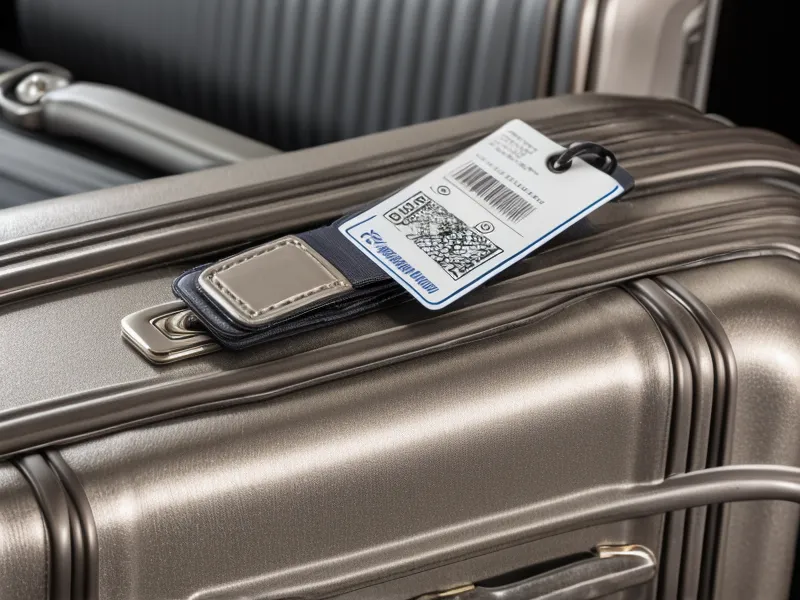
Shipping solves a different problem than packing lighter does. It doesn't shrink your gear; it removes it from the airport equation entirely, and the bag travels by ground or cargo air while you carry a slim briefcase through security and never touch a carousel. Luggage Forward is the one I've actually scheduled for multi-city trips: door-to-door pickup, tracking the whole way, and a double money-back guarantee that refunds twice what you paid to ship if the bag shows up late. That last part matters more than the marketing copy suggests, because it's a financial penalty tied to a date, not a vague promise.
None of that makes sense for a single carry-on flyer doing an out-and-back — pricing climbs fast on short routes, and a checked-bag fee would still come out cheaper. It also needs lead time; ground transit wants a few days of buffer, so this is a planned move, not a last-minute save. What tips the math is the part nobody puts on a rate card: a bag that gets tossed onto a jet bridge two or three times a month wears out faster than its warranty sc-xAoRDD implies, and that invisible depreciation is the real line item pushing the decision toward shipping before a single dollar of ticket price even enters the picture.
What Actually Wears Out Wheels and Zippers on a Heavy Schedule
Wheel assemblies are their own rabbit hole — I've written a full breakdown of what separates a wheel that survives from one that seizes — but the short version lives in what happened to a budget spinoff line I tried a couple of years back, hoping the savings from a brand I otherwise trusted would hold up. It didn't. The wheels started grinding by month five, the kind of complaint you feel through the handle before you hear it over terminal noise. That's also how I spotted the hairline crack in the same bag's corner — afternoon sun through my office window caught it at an angle that the flat fluorescent lighting in every airport terminal had been hiding for weeks.
Switching back settled it. Half a year later, rolling through Midway on a connection, the wheels still ran quiet across the tile seams — no grind, no catch, nothing to explain to the person walking next to me. My neighbor Denny Abara, a former logistics consultant who works fully remote now, has more spare bags stashed in his garage behind the gardening equipment than he'll ever admit to, and he was the first person I called to ask whether the spinoff line's wheels were a fluke or a pattern. His answer was blunt: cheaper wheel hubs are cheaper for a reason, and the brand name on the outside tells you nothing about what's bolted on underneath. Zippers fail for a related reason: YKK hardware versus unbranded teeth is a separate conversation. A bag that ships instead of getting gate-checked also skips the twisting a zipper takes when it's wedged into a cargo hold at an angle.
When Shipping Wins and When It Doesn't
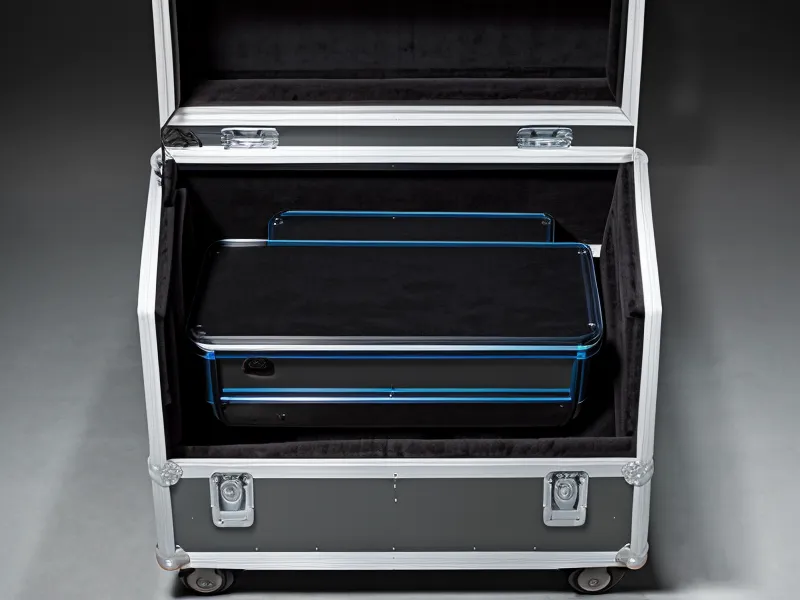
One of the more useful sanity checks I get comes from a reader named Clifton Pryke, who found the site after a wheel blew out on him in Phoenix and has stayed in touch ever since. He works in pharmaceutical sales and ships his sample cases ahead of nearly every trip rather than checking them at the counter, and his version of this calculation looks different from mine — the cases are heavier, the contents matter more than a spare shirt, and checking them through security multiple times a month simply isn't an option worth comparing. That's the actual threshold: multi-city itineraries with three or more stops, gear that would eat the whole overhead bin on its own, and enough lead time to give a shipment its buffer days. Below that threshold, shipping is just an expensive way to avoid rolling a bag.
Even a Travelpro — long-favored by flight crews and about as torture-tested as carry-ons get (ask any gate agent which brand actually survives the belt loader) — doesn't change that threshold, because a good wheel still can't make a small bin bigger. Travelpro alone has enough tiers between its entry line and the Platinum Elite that picking the wrong one can erase whatever you saved chasing a deal, which is a comparison worth its own space rather than a footnote here. The point stands regardless of which bag you're carrying: shipping earns its cost on the itineraries where carrying anything at all is the actual problem.
Setting Up a Shipment Without Losing the Buffer
Getting a shipment right starts before the pickup truck ever shows up. Gear gets staged in the spare room that doubles as an office days ahead of a trip — enough open floor by the window to roll a spinner wall to wall and feel whether a wheel pulls left, and a pegboard on the wall holding axles and zipper pulls salvaged off bags that didn't make it, kept mostly as a reminder not to trust a shiny finish. Suits and garment bags are a different shipping puzzle entirely — folding a jacket into a spinner is not the same problem as shipping one flat, and that deserves its own writeup rather than a paragraph here.
Weight versus capacity is worth understanding too before buying anything meant to survive both shipping and carrying — a lighter shell often means giving up the exact capacity you bought it for. Aluminum-shell carry-ons like LEVEL8 solve a different problem again; they dent instead of cracking, which is its own trade-off, but they're not what goes in a shipped box in the first place. Actually getting the bag into your hands at the other end is its own logistics puzzle — hotel front desks aren't always set up to receive freight, and sorting that out before you ship beats sorting it out after. Luggage Forward's tracking helps here too, since knowing exactly which morning a bag is due is worth more than any lost-and-found promise a standard checked tag can make. If a zipper does jam mid-trip despite all this, that's a fixable field problem rather than a reason to panic, though that's also a separate rabbit hole.
The Carry-On That Still Rides in the Overhead Bin
Short out-and-back trips still get a carry-on, not a shipment. My Briggs & Riley handles those runs, and the lifetime warranty is worth more than it sounds on paper — I've had wheels replaced under it more than once, though what it does and doesn't cover deserves a longer look than I'll give it here. The CX-2 expansion system built into that line is worth its own explanation somewhere else, but the short version is it buys another shirt or two without stressing the zipper the way a forced overstuff would. Knowing how to pack a carry on for a week of business travel still matters for these simple routes — shipping only earns its keep once the itinerary gets complicated enough to need it.
Multi-city weeks are where the calculation flips. Walking off a plane with nothing but a briefcase while everyone else fights for bin space is a small, specific relief — past the gate crowd, past the carousel, into a rental car before the first bag even hits the belt. If a trip ahead has more than two stops and enough lead time for ground transit, Luggage Forward is worth pricing out before the schedule gets tight. It isn't the cheapest way to move a bag, and it isn't for every trip — but on the ones where it fits, it's one of the only travel expenses that pays for itself in sleep.