It was a rainy Monday in November when I finally hit my breaking point. I was dragging a fully loaded spinner down a dimly lit hallway in a suburban Chicago hotel, and the bag wasn't rolling—it was plowing. Every time I tried to glide it alongside me, the front wheels buried themselves into the high-pile carpet like a shovel hitting wet dirt.
Before we get into the physics of why your four-wheeler hates Marriott hallways, a quick heads-up: I use affiliate links on this site. If you buy a bag through them, I earn a commission at no extra cost to you. I’ve spent over a decade flying bi-weekly out of Indianapolis, so these recommendations come from actual airport floor time, not a press release. You can check out my full transparency policy for more details.
The Airport Tile Illusion
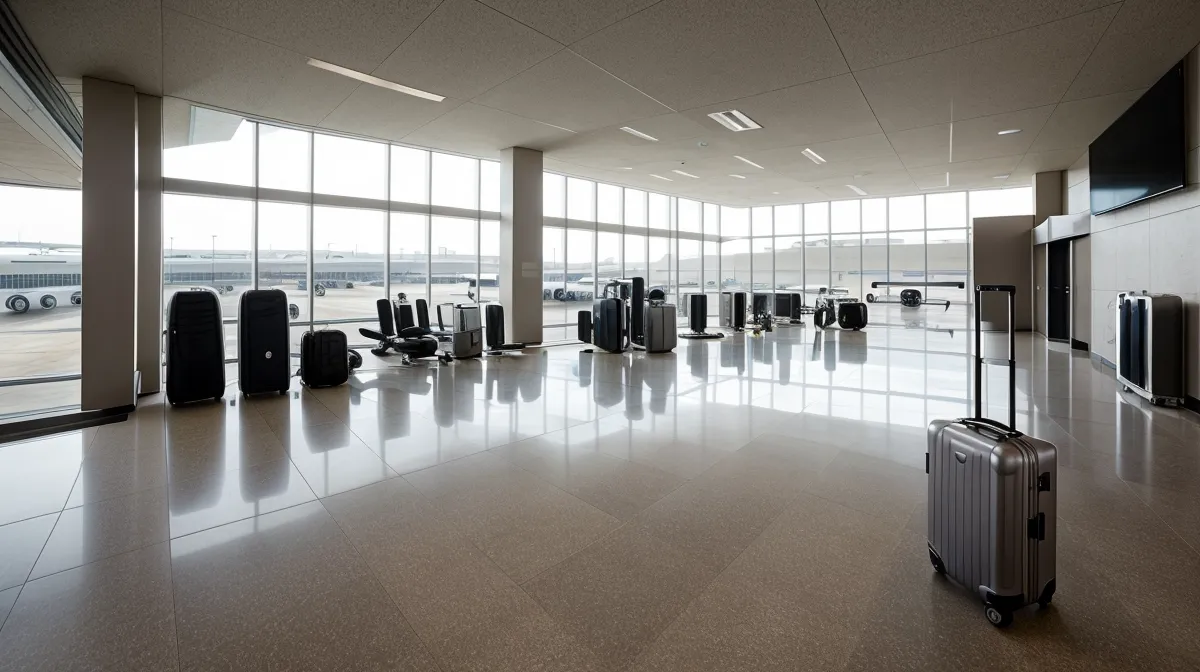
Airports are designed to make spinner luggage look like a miracle of modern engineering. On that polished, hard-surface tile, a four-wheel bag glides with the grace of a figure skater. You can push it with one finger, weave through a crowd, and feel like you’ve hacked the travel system. But airport tile is a lie. The real test of a bag starts at the 200-yard trek from the hotel elevator to your room.
Most of us stick to the standard domestic carry-on size limit of 22 x 14 x 9 inches. Within those dimensions, you have to choose between the nimble spinner or the old-school two-wheel tilt. After a decade of this, I’ve realized that hotel carpets are intentionally thick—often installed with heavy padding to meet hospitality acoustics standards. That padding is great for drowning out the neighbor’s TV, but it’s the natural enemy of the small-diameter wheels found on most spinners.
The Spinner Struggle: Why Trajectory Matters
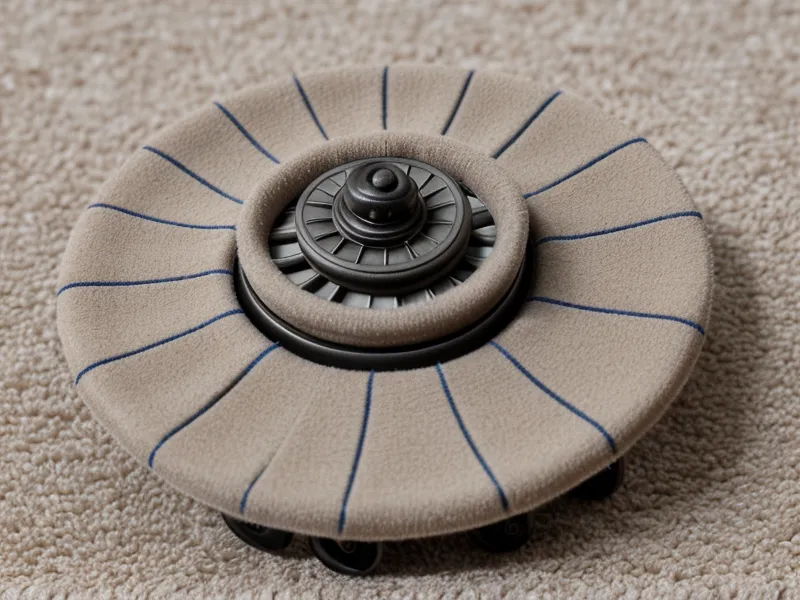
Here is the reality no one tells you in the luggage aisle: spinner wheels require significantly more manual force to maintain a straight trajectory on carpet than two-wheel systems. On a hard floor, the four wheels rotate 360 degrees to follow your lead. On a thick carpet, they create rolling resistance. Because spinner wheels are usually smaller, they sink.
When you try to walk with a spinner upright on carpet, the bag wants to rotate or drift. You end up tensing your forearm just to keep the thing pointed toward your room. It’s like trying to use a kitchen knife to cut through cold butter—it’ll do it, but you have to work for it. This is why, mid-walk, most of us end up tilting our expensive spinners onto two wheels anyway, which actually puts more stress on the bearings than they were designed for.
I’ve noticed this specifically with polycarbonate hardshells. They’re designed to flex, which is great for the overhead bin, but that flex can cause the wheel housings to misalign under a heavy load on soft surfaces. Contrast that with something like the LEVEL8 aluminum frame models. The rigid frame keeps those four wheels perfectly vertical, which helps—but even then, you’re fighting the pile. My long-term testing of the LEVEL8 showed that while its bearings are top-tier, a spinner is still a spinner when the carpet gets plush.
The Two-Wheel Tilt: The Daily Driver of the Road Warrior
There’s a reason why flight crews—the people who actually live in hotels—almost exclusively use two-wheel bags. A two-wheel bag uses larger, recessed wheels (think rollerblade wheels). They have a larger diameter, which means they roll over carpet fibers rather than pushing through them. They track behind you like a well-aligned trailer.
When I’m on a heavy conference circuit in early March, I often reach for my Travelpro. Their Maxlite line is famously light, and because it’s a soft-side build, it has a bit of give that works with the two-wheel motion. In my experience, Travelpro luggage handles regional routes better than almost anything else because it doesn't fight you. It’s the "road-trip car" of luggage—it might not be as flashy as a spinner in the terminal, but it’s much more comfortable over the long haul.
Structural Integrity and the Drag Factor
One thing I realized during the mid-July heat in a particularly long suburban hotel corridor was that the weight of your gear changes the geometry of the bag. If a bag sags, it drags. This is where the Briggs & Riley line shines. Their proprietary CX-2 compression system doesn’t just let you overpack; it provides a structural rigidity that keeps the bag from bulging at the bottom.
A bulging bag on a spinner system will actually cause the bottom of the fabric to rub against the carpet if the wheels sink deep enough. I’ve seen it happen with cheaper bags where the "belly" of the suitcase starts to fray after only a few months of heavy use. When I tested the Briggs & Riley CX-2, the bag stayed squared-off even when stuffed. That clearance between the bag floor and the carpet is the difference between a smooth walk and a workout.
When You Just Give Up on Carrying
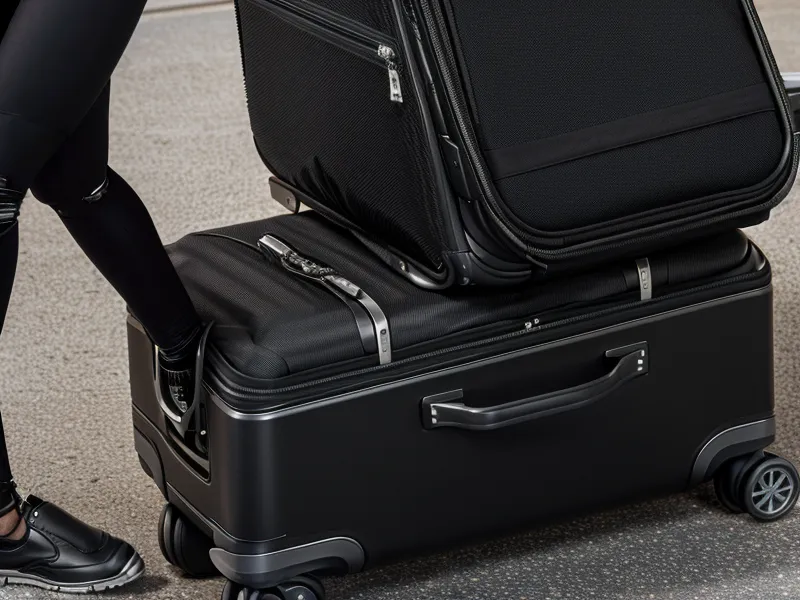
Sometimes, usually after a particularly grueling six months of heavy use, I decide I’m done with the hallway hustle entirely. If I’m traveling with extra samples or just don’t want to deal with the 22-inch overhead bin fight, I use Luggage Forward.
They offer a 2x money-back on-time guarantee, which is the kind of accountability I wish my regional airline had. Shipping the bag door-to-door means my only "navigation" is walking from the Uber to the front desk with nothing but a laptop bag. If you’re tired of the carpet-plow, shipping your luggage is the ultimate cheat code.

The Final Verdict for the Modern Road Warrior
So, which one do you buy? If your travel is 90% modern airports with smooth floors and you value the ability to roll a bag sideways down a narrow airplane aisle, the spinner is your friend. But if you find yourself in older hotels with carpet that feels like walking on a sponge, the two-wheel tilt is still king.
High-end spinner bearings are finally closing the gap, but they still require more manual effort to keep straight on a soft surface. For my money, I want a bag that stays behind me and doesn't wander. If you’re ready to upgrade, I’d suggest looking at the Briggs & Riley if you have the budget for a lifetime piece, or the Travelpro if you want the flight-crew standard.
| Product | Rating | |
|---|---|---|
| Briggs & Riley Top Pick | 9.4 | Read More → |
| Travelpro | 8.9 | Read More → |
| LEVEL8 | 8.5 | Read More → |
| Luggage Forward | 9.1 | Read More → |
Briggs & Riley
Pros
- ✔ Lifetime warranty covers airline damage
- ✔ CX-2 system maintains bag shape on carpet
- ✔ Built like a tank for frequent flyers
Cons
- − Premium price point is a hurdle
- − Noticeably heavier than budget hardshells