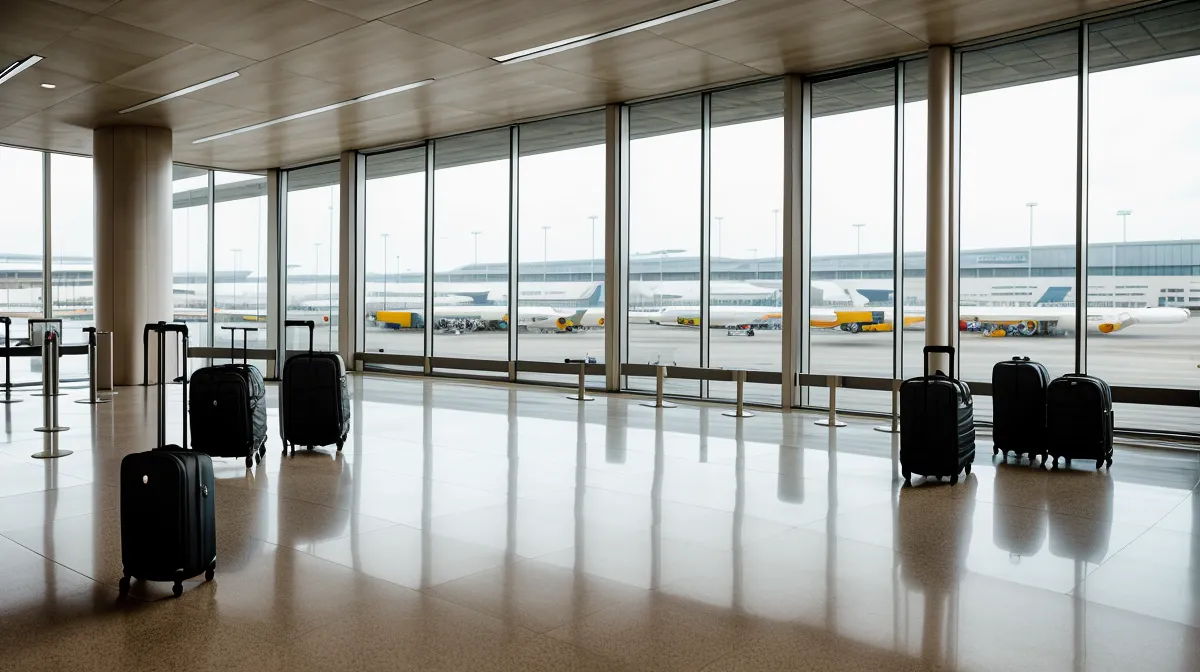
A metal baggage carousel stopped with a groaning shudder late one Friday afternoon in late July, leaving forty tired passengers staring at an empty rubber belt. My flight had touched down forty-five minutes earlier, and my demo kit for a Monday presentation was somewhere in the underbelly of the airport. Standing there watching the digital sign blink, I realized I was done treating airport baggage counters like an unavoidable tax on my sanity.
Quick transparency before we dig into the numbers and logistics: this site runs on reader support. When you arrange a shipment or purchase a piece of luggage through the links here, I earn a commission at no extra cost to you. I test every service and bag in my rotation across real domestic flights and routes before writing a single word about them.
For more than ten years, my baseline has been bi-weekly flights out of Indianapolis. Most weeks, my routine is simple: pack a change of clothes into a durable roller that fits the standard domestic carry-on sizer dimension limit of 22 x 14 x 9 inches, skip the counter entirely, and head straight to security. But when work demands travel displays, collateral cases, or when a family vacation enters the calendar, the carry-on equation evaporates. Suddenly you face the choice between handing your bags to an airline baggage handler or booking a dedicated courier service like Luggage Forward to send them straight to your destination.
The Real Arithmetic of the Check-In Counter
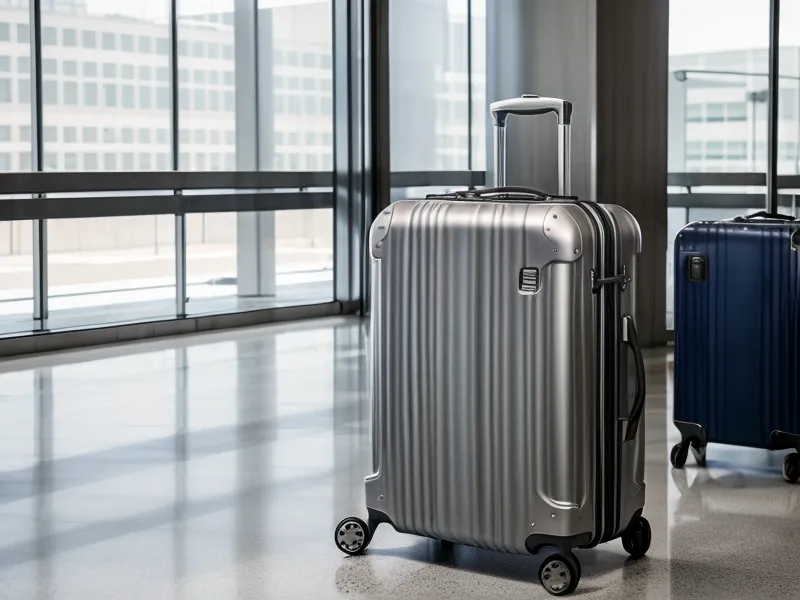
On paper, checking a bag with an airline looks straightforward. You roll up to curbside or the kiosk, slap a printed tag on the handle, pay the airline's standard fee, and walk toward security with light hands. If you stay within the standard airline checked bag weight threshold before overweight fees of 50 lbs and keep the bag under the standard maximum domestic checked bag dimensions of 62 linear inches, the bill seems manageable.
The problem is that travel rarely stays within the clean lines of an airline brochure. If you are packing heavier presentation hardware, trade booth materials, or dense gear, crossing that 50-pound mark triggers immediate penalty tiers. Cross into the airline severe overweight threshold of 70 lbs, and the gate agent hits you with punitive charges that can easily triple what you budgeted. If you end up needing a second checked bag on top of the first, the tiered pricing steepens even faster.
Then comes the physical burden. Carrying two 48-pound suitcases through an airport garage, dragging them across salted concrete slush—something I faced during a snowy Midwest layover back in late February—and lifting them into a shuttle bus takes a quiet toll on your back and your luggage hardware. I have broken more than one set of casters doing curbside wrestling, as I detailed in my piece on how to avoid broken luggage wheels at busy airports and curbside. When you look at the comparison, airline checked bags offer lower upfront costs but higher physical burden, whereas luggage shipping services provide greater personal convenience at a higher monetary premium.
Putting Luggage Forward to the Test on Multi-City Routes
Ahead of a regional sales conference in mid-spring, I finally decided to test whether shipping my gear ahead would actually save me time or simply create a different kind of anxiety. I had an aluminum case packed with product prototypes, presentation stands, and printed catalogs. Checking it meant standing in line at ticket counters, hoping the ramp crew would not dent the frame, and waiting at baggage claim in two different connecting cities.
Instead, I scheduled a pickup with Luggage Forward. The process works like dispatching a high-priority parcel, but tailored specifically to travel gear. A courier arrives at your doorstep or office, tags the bag, and injects it into a dedicated tracking pipeline. Rather than dumping your luggage onto an automated airport sorter where heavy bags smash into each other, the shipment moves through controlled freight channels directly to your hotel front desk or client address.
The immediate sensory difference was striking. Walking through the terminal with nothing more than my lightweight briefcase felt like stepping out of a suit into comfortable running clothes. No waiting in the bag-drop line behind someone arguing about a three-ounce shampoo bottle. No sprinting across concourses with a heavy spinner pulling my shoulder out of alignment. By the time I arrived at the conference hotel, my gear was already logged into the hotel storage room waiting for my room key.
Transit Windows and the Planning Tradeoff
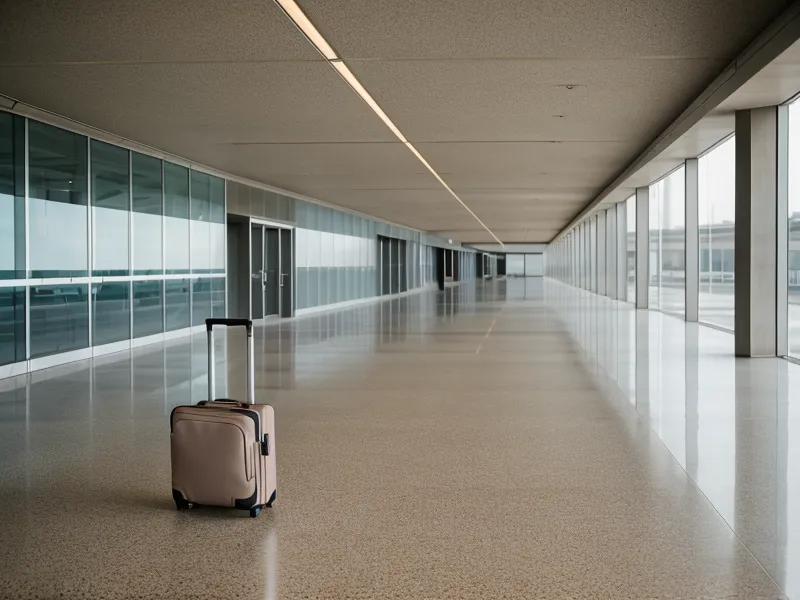
Luggage shipping is not magic, and it is definitely not an impulse solution for last-minute business flyers. Airline checked bags travel on the same aircraft as you (most of the time, anyway). You pack the morning of departure, drop the bag thirty minutes before boarding, and retrieve it on the other side. Luggage shipping, by contrast, requires planning and a transit buffer.
When I ship gear ahead, I have to surrender it a few business days prior to departure. That means my presentation decks must be printed, samples packed, and wardrobe selected before the mid-week rush. If your travel plans change at 6:00 PM the night before a client visit, a shipping service cannot help you. It demands discipline in your schedule that flying purely carry-on simply does not require.
Furthermore, shipping a single, light 20-pound spinner makes zero financial sense. If you can fit your wardrobe into a well-designed softside bag like the Travelpro Maxlite—which I discussed when exploring why softside luggage fits better in small regional jet overhead bins—you should simply roll it down the jetway yourself. The shipping model shines when you are hauling multi-piece loads, fragile items that airline ramp agents routinely abuse, or bulky equipment that would otherwise push you into second-bag and overweight fee territory.
Hardware Durability: Ramp Handlers vs Dedicated Couriers
Over a decade of bi-weekly travel will make anyone a cynic about airport baggage systems. The conveyor slides drop bags from ten-foot drops, the luggage carts leave bags sitting on rain-soaked tarmac, and the loading holds compress soft luggage under mountains of hard plastic. If you check bags regularly, your luggage hardware needs to be essentially indestructible.
For standard checking, I rely heavily on Briggs & Riley specifically because their unconditional lifetime warranty covers airline-inflicted damage. You can read about my real-world repair experience in my notes on my experience using the Briggs and Riley repair service after years. Their compression mechanism allows you to squeeze down dense suits and folders without blowing out the teeth of the zipper.
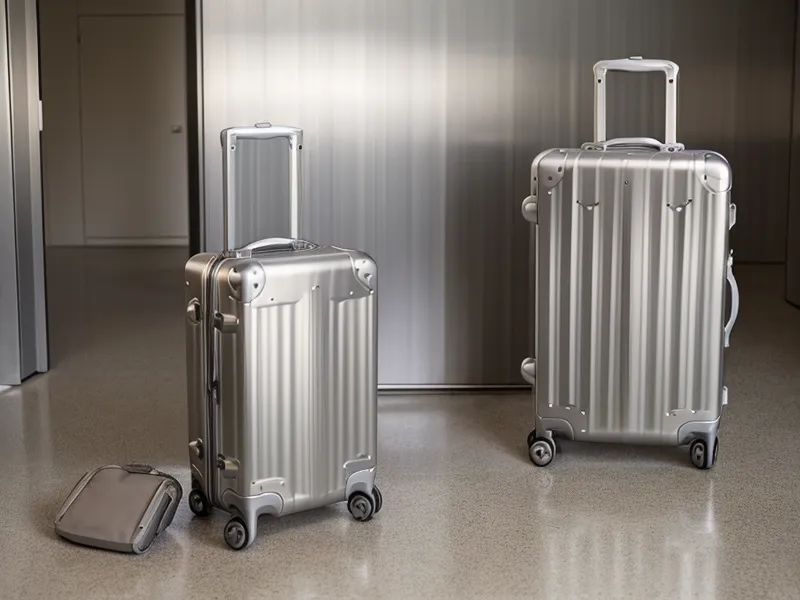
When you use a shipping courier, the mechanical abuse drops dramatically. For items like presentation monitors or sensitive equipment, I often use a rigid case like the LEVEL8 aluminum-frame models. Aluminum looks incredible and protects internal electronics, but airline ramp handlers can dent the exterior shells permanently. Shipping services handle luggage via wrapped pallets and specialized couriers, drastically reducing the cosmetic and structural hazards of the airport underbelly.
The Family Vacation Factor
The business utility of shipping is obvious once you crunch the presentation logistics, but the real test came in early autumn after a family trip. Traveling alone with work gear is one thing; traveling with a spouse and multiple suitcases across three airports is an entirely different operational nightmare. Getting through the security line while managing carry-on bags, snacks, and boarding passes is hard enough without having to drag three massive checked suitcases to curbside drop-off.
For that trip, we shipped our primary clothing bags ahead to our rental cabin. Walking through the terminal with only our personal backpacks changed the entire texture of the morning. There was no mad dash to the baggage carousel upon landing, no wrestling with baggage carts, and no fear that an airline mishandling incident would leave us stranded without clothes for the weekend. The convenience came at an added cost, but in terms of eliminating family travel stress, it was worth every penny.
The Practical Rule of Thumb
After running this comparison across eight months of varied travel, my strategy has crystallized into a simple operating system:
- For 48-Hour Solo Trips: Stick strictly to an overhead carry-on. A dependable carry-on eliminates baggage lines, requires zero advance planning, and keeps your schedule agile.
- For Single Standard Bags Under 50 lbs: Pay the standard airline checked bag fee. If you have airline status or an affiliated credit sc-xAoRDD that waives the first checked fee, the airline counter remains the cheaper option despite the wait at the carousel.
- For Multiple Bags, Overweight Gear, or Heavy Displays: Ship ahead with Luggage Forward. The moment you start facing second-bag charges, the penalty for crossing 50 pounds, or the severe fee above 70 pounds, shipping costs become surprisingly competitive while saving your back and your time.
If you have an upcoming trip involving oversized presentation gear, trade displays, or a multi-stop vacation where dragging luggage through train stations and terminals sounds exhausting, check out Luggage Forward to see if shipping makes sense for your route.
| Product | Rating | |
|---|---|---|
| Luggage Forward Top Pick | 8.8 | Read More → |
| Briggs & Riley | 8.7 | Read More → |
| Travelpro | 8.3 | Read More → |
| LEVEL8 | 8.1 | Read More → |
Luggage Forward
Pros
- ✔ Door-to-door luggage delivery lets you bypass check-in queues and the baggage carousel entirely
- ✔ Includes a double money-back on-time guarantee if your luggage does not arrive on schedule
- ✔ Cost-effective alternative when facing airline second-bag fees and heavy overweight penalties
- ✔ Drastically lowers handling abuse compared to standard airport baggage conveyor systems
Cons
- − Demands several days of transit buffer, making it impractical for short-notice departures
- − Not financially practical if you are traveling light with just a single standard carry-on