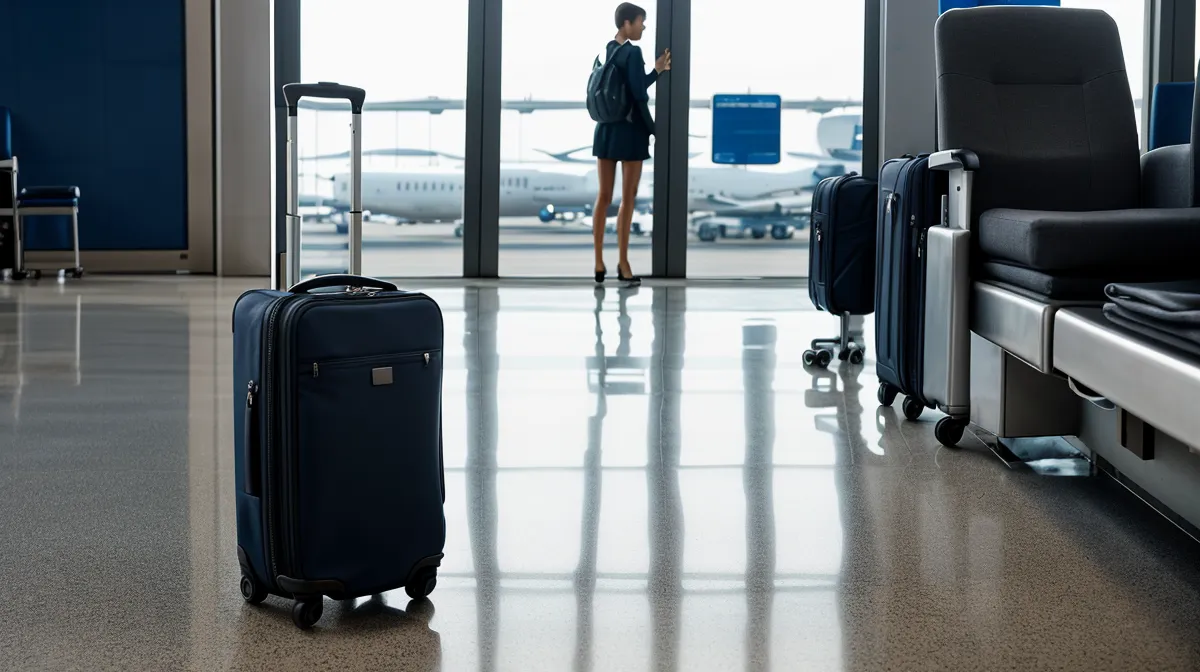
Eight spinner wheels, split into four dual-wheel pairs, and not one of them has drifted, clacked, or given out on a regional connection yet. That's an odd thing to lead a carry-on review with, but when business travel means a CRJ-200 or an ERJ-145 more often than a mainline jet, wheel count is exactly the kind of detail that decides whether a trip goes smoothly or turns into a parking-garage drag session. The Travelpro Platinum Elite is built around that regional-flight reality, and weighing it against its own cheaper sibling in the lineup says more about real luggage durability than any spec sheet could.
Quick housekeeping before the comparison starts: affiliate links run through this piece, and if you buy through one of them, a small commission comes back to me at no extra cost to you. None of that changes the verdict below — I've personally hauled every bag mentioned here through real airports on real client trips, and the tiers get ranked exactly where the miles put them.
The bag under discussion is the Travelpro Platinum Elite, the top tier in a lineup that flight crews have leaned on for a full workweek rotation longer than most passengers have been checking bag weight at the counter.
What Regional Jets Actually Do to a Carry-On
A standard domestic carry-on runs about 22 x 14 x 9 inches, which is a nonissue on a mainline flight with real overhead bins. On a regional jet, that same bag gets valet-tagged at the jet bridge and set on a metal cart, no negotiation involved. A reader named Marcy Bellew emailed after buying the wrong underseat bag off another site's listed dimensions, and she's the kind of correspondent who separates interior clearance from exterior measurement, handles and wheels included, every time she writes — that distinction is really its own article, and I've gone deep on regional-jet sizing elsewhere, but it's why an exterior number on a listing means nothing until you know what's actually inside it.
Watching a ramp agent heave a bag onto that cart like a hay bale used to make me wince every time; these days it barely registers, because the high-density nylon shell and reinforced corner guards on the Platinum Elite are built for exactly that kind of handling. What you give up is weight — this bag sits noticeably heavier in hand than the ultralight shells dominating carry-on marketing photos right now, and if you're chasing every last ounce against a strict cabin allowance, that's its own trade-off conversation I've had in detail elsewhere. Gate-checking itself does its own slow damage to wheels and zippers over a long enough timeline, which is a rabbit hole worth its own post rather than a paragraph here.
None of that toughness matters if the bag's internal layout works against you, which is the whole reason I gave up on a backpack-style hybrid carry-on a few years back — no wheels, just straps and one big open shell, where every item sank straight to the bottom and had to be excavated at security every single time. Packing systems are their own topic entirely (cubes, compartments, the drawer-organizer logic translates surprisingly well), but the short version is that a wheeled spinner with real internal structure beats a bag you have to dig through, every time.
Maxlite or Platinum Elite: Where the Tiers Actually Split
Both ends of that lineup currently live in the spare room that's turned into a staging area between trips — a rolling rack for whatever's being tested at the moment, a pegboard nearby holding the wheel axles and zipper pulls salvaged off bags that didn't survive, and enough clear floor by the window to roll a full-size spinner end to end without hitting anything else in the room. Lining the Maxlite and the Platinum Elite up wheel to wheel on that stretch of floor is the fastest way to see the tier difference in person, and it beats any spec sheet for making the point.
Every luggage brand runs this same game, and Travelpro is a clean example because both ends of its own lineup are still on the market side by side. The Maxlite line sits at the entry tier — noticeably lighter in hand, priced for someone who flies a handful of times a year, and built with thinner fabric and simpler hardware because it doesn't need to survive a twice-a-month punishment schedule. The Platinum Elite sits at the top of that same ladder, and what actually changes as you climb a manufacturer's tiers is rarely the shape of the bag; it's the density of the fabric, the grade of the wheel hardware and zipper pulls, and how much abuse the corner reinforcement is built to absorb before it gives out.
That's the part shoppers miss when they compare bags purely on brand name. A cheaper line from a respected maker can still be a worse choice than a mid-tier line from a less flashy one, because the tier inside the brand tells you more than the logo does. For someone flying every other week on regional connections, the Platinum Elite's tier is the one built for that schedule; for someone flying three or four times a year on mostly mainline routes, the Maxlite tier does the job for noticeably less weight and cost, and paying up for armor you don't need just adds dead weight to the overhead bin.
Wheels, Handles, and the Line Between Annoying and Fine
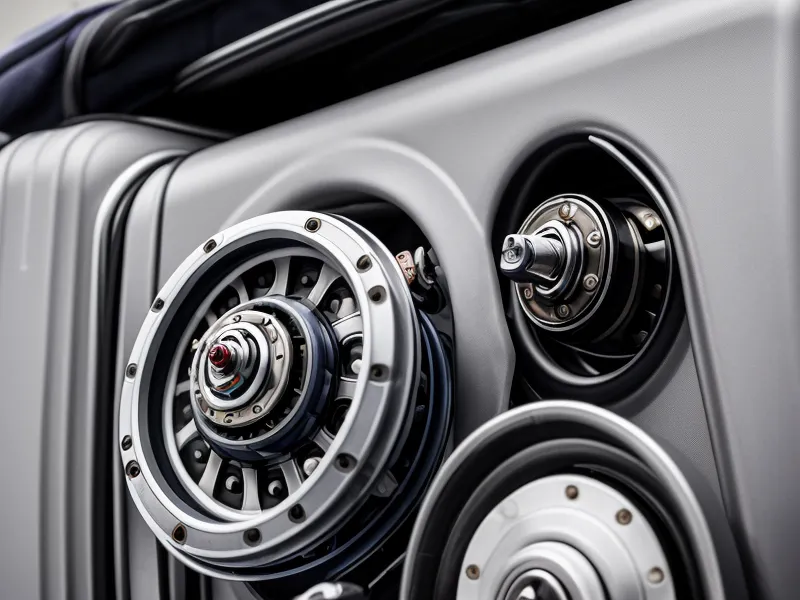
The Magnatrac wheel system is the detail most reviews skip past, and it's the one I'd miss first if it disappeared: four dual-wheel sets snap into a straight line with a distinct click the moment you start walking, instead of drifting sideways like a shopping cart with a bad caster. Wheel construction as a whole is its own deep rabbit hole and I've written about it separately, but the short takeaway here is that the alignment system does exactly what it claims, trip after trip.
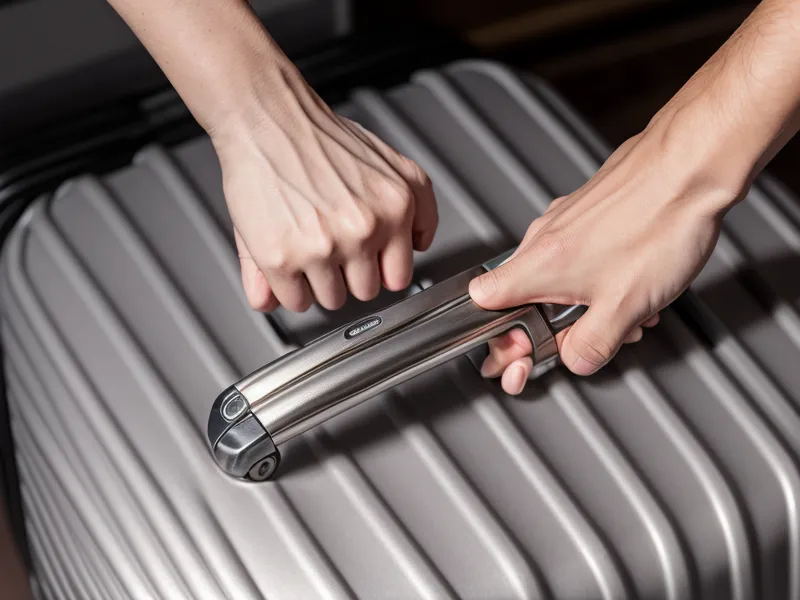
My colleague Roz Henriksen flies the same every-other-week regional rotation for our sales team, and she tracks every wheel and zipper failure she's ever had by route and by climate zone in a notes app — dry Midwest winters treat hardware very differently than a humid layover, according to her running tally. Her data backs up what my own hands have noticed: the telescoping handle on the Platinum Elite still locks tight without the wiggle that develops on cheaper bags, and the grip is contoured enough that it doesn't leave the dull wrist ache that shows up after a long terminal walk. If you want the gold standard for a warranty that actually covers airline-handler damage rather than just factory defects, that's the Briggs & Riley pitch, and it's a real one — lifetime-warranty value is worth its own comparison post, because not every "lifetime" warranty covers the same kind of damage.
I actually put these two head-to-head in more detail in Briggs and Riley vs Travelpro for Heavy Business Use, including the CX-2 compression system that buys an extra shirt or two before anything strains at the seams — that expansion mechanism deserves its own review rather than a footnote here. Zipper construction is the other hardware detail worth a passing flag — usually the first thing to fail on a cheap bag — and that's a whole separate argument for another post entirely.
The One Feature That Let Me Down (and the One That Saved a Presentation)
The one external USB port is the feature that let me down hardest, and only because of my own assumption: stuck in a gate area with no outlets, I spent several frustrating minutes hunting for a hidden battery in the lining before realizing Travelpro supplies the port and the wiring, not the power itself. It's actually the smarter design call — a battery degrades, a bag shouldn't have to — but it reads like a letdown if you skip the fine print first.
On one especially bad Chicago connection, the bag sat exposed on the open tarmac through a real downpour while ground crews sorted a mechanical delay, and I fully expected to unzip a hotel closet's worth of soaked dress shirts. Everything inside came out bone dry instead, which is the kind of result that makes me comfortable calling this a reliable Travelpro carry on luggage choice for anyone who can't afford a ruined shirt before a client meeting. I can also spot the bag on a crowded carousel before it's even fully rounded the corner, no ribbon or yarn tied to the handle required, just the low, slightly stubborn profile of a bag that's clearly not new anymore.
Is the Soft-Side Trade-Off Still Worth It?
Soft-side bags scuff and stain faster than hardshells, full stop, and mine isn't pristine anymore — it's picked up a few honest scars from regional-jet valet carts. Hardshell-versus-softside is a bigger argument than one paragraph can settle, and I've made the full case elsewhere, but the short version for regional routes is that fabric flexes and shells crack. A hardshell like the LEVEL8 comes off a cold cargo hold still holding enough of that belly-of-the-plane chill that you can feel it through your palm for the first few steps down the jet bridge, and its aluminum-frame construction gets you a look closer to the pricier European brands for a fraction of the cost — the catch is that a dropped corner dents permanently instead of bouncing back, and the brand's track record is shorter than Travelpro's or Briggs's.
When Shipping Beats Carrying
None of this matters if you're hauling sample cases or a second checked bag's worth of gear to begin with, which is where a door-to-door shipping service like Luggage Forward earns its keep — tracked shipping with a real on-time guarantee beats fighting a regional jet's tiny overhead bins entirely. It only pencils out for oversize or multi-piece trips with a few days of buffer built in; for a single carry-on on a short-notice trip, checked-bag fees still win on price. What happens once the shipment actually lands at a hotel front desk is a whole separate logistics question, one I've answered in more detail in another post rather than here.
Which One Actually Goes in Your Closet
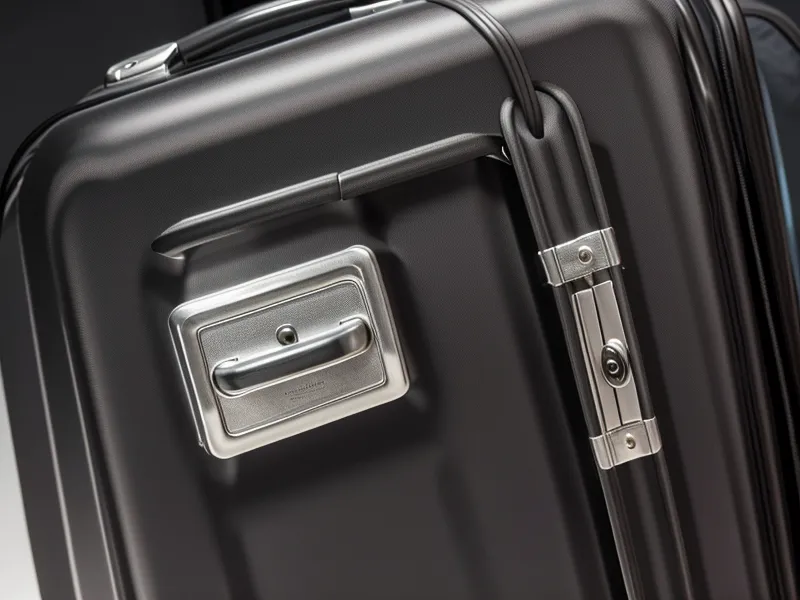
Boil it down to the actual decision: an every-other-week regional flyer chasing durability over ounces belongs with the Platinum Elite tier, a few-times-a-year traveler on mostly mainline routes is better served by the lighter Maxlite tier or something similar, and anyone drawn to a hardshell for its look and price should go in with eyes open about the dent-versus-scuff trade-off. None of this covers what to do with a suit that has to survive the trip on a hanger rather than folded flat — garment transport is its own bag category and its own decision tree, one I'll walk through separately. If a zipper does jam mid-trip, there's also a field fix that doesn't involve buying a replacement bag at an airport gift shop, and it's worth knowing before you actually need it.
For the regional grinder tired of dragging a broken four-wheeler across a parking garage, the Platinum Elite tier is the one worth the extra weight in your shoulder bag and the extra line on the receipt. If hardshell durability and a lower price still tempt you more than soft-side flex does, my longer breakdown on why I switched to Level8 hardside luggage lays out exactly which trips make that swap worth it.